Skip to content
Announcement Bar/Update or Announcement   Learn More
  • There are no suggestions because the search field is empty.

Posts about:

Winter Garden (2)

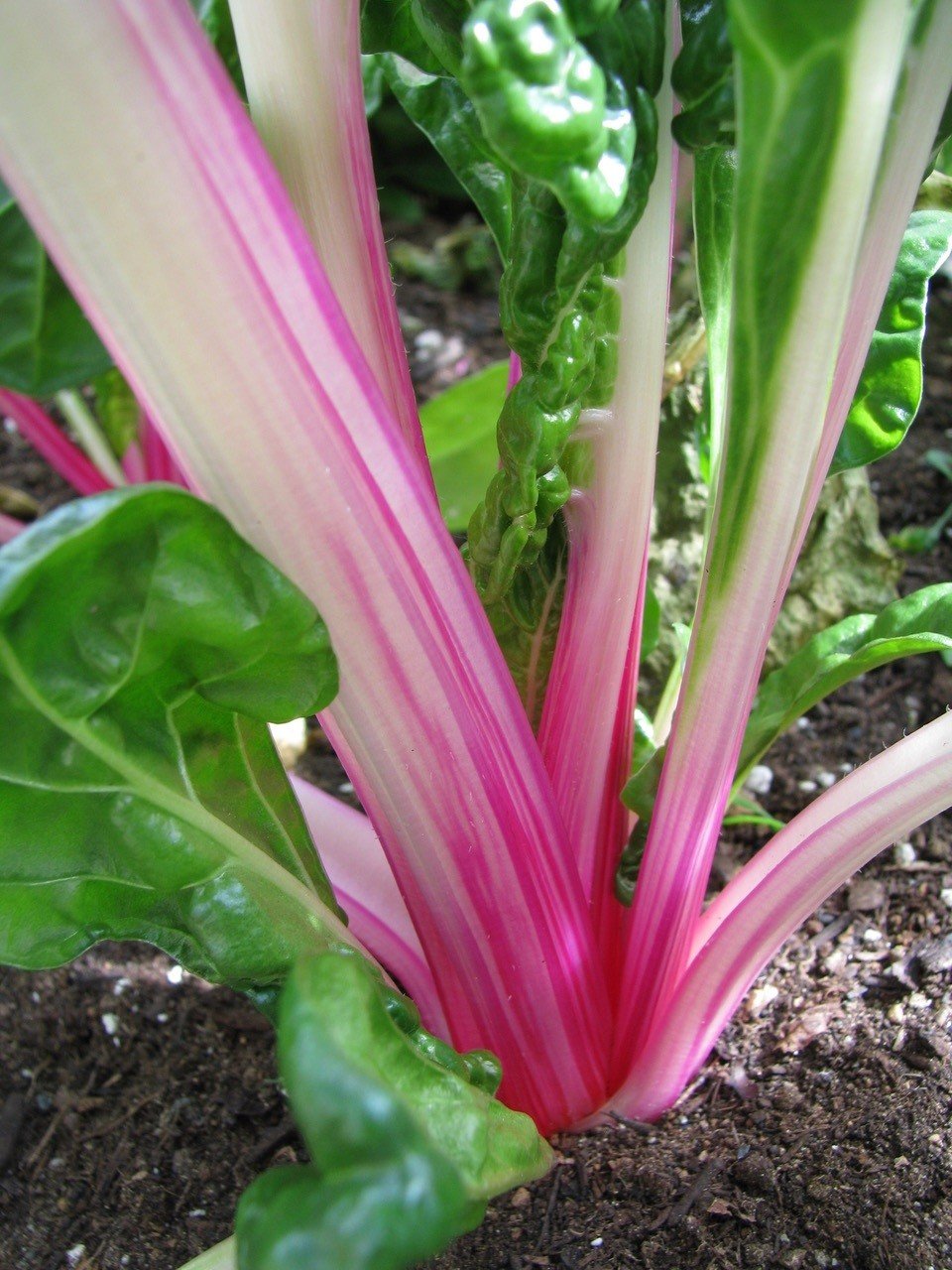
Peppermint Swiss Chard Thriving in Winter Greenhouse Garden

What Are the Tips and Strategies to Maximize Your Winter Greenhouse Growing?

Quick Answer:

What Are the Tips and Strategies to Maximize Your Winter Greenhouse Growing?
Maximizing winter greenhouse success involves keeping temperatures cool, using layered row covers to protect hardy crops, and starting seedlings early in a warm nursery before transplanting them to the cold greenhouse. Strategic use of soil warming cables, careful crop selection focused on cold-tolerant varieties, and staggered planting schedules help extend the growing season and increase yields despite low winter light. Experimentation and planning are key to adapting these strategies to your specific greenhouse conditions and achieving reliable winter harvests.


An overview of winter greenhouse growing has been covered in our December 2023 blog post, but it seems worthwhile to expand the conversation of winter growing in a home or hobby greenhouse this month as well. For one thing, a greenhouse is not the end of the story. A few other accessories and ideas will make you a more successful grower this winter. 
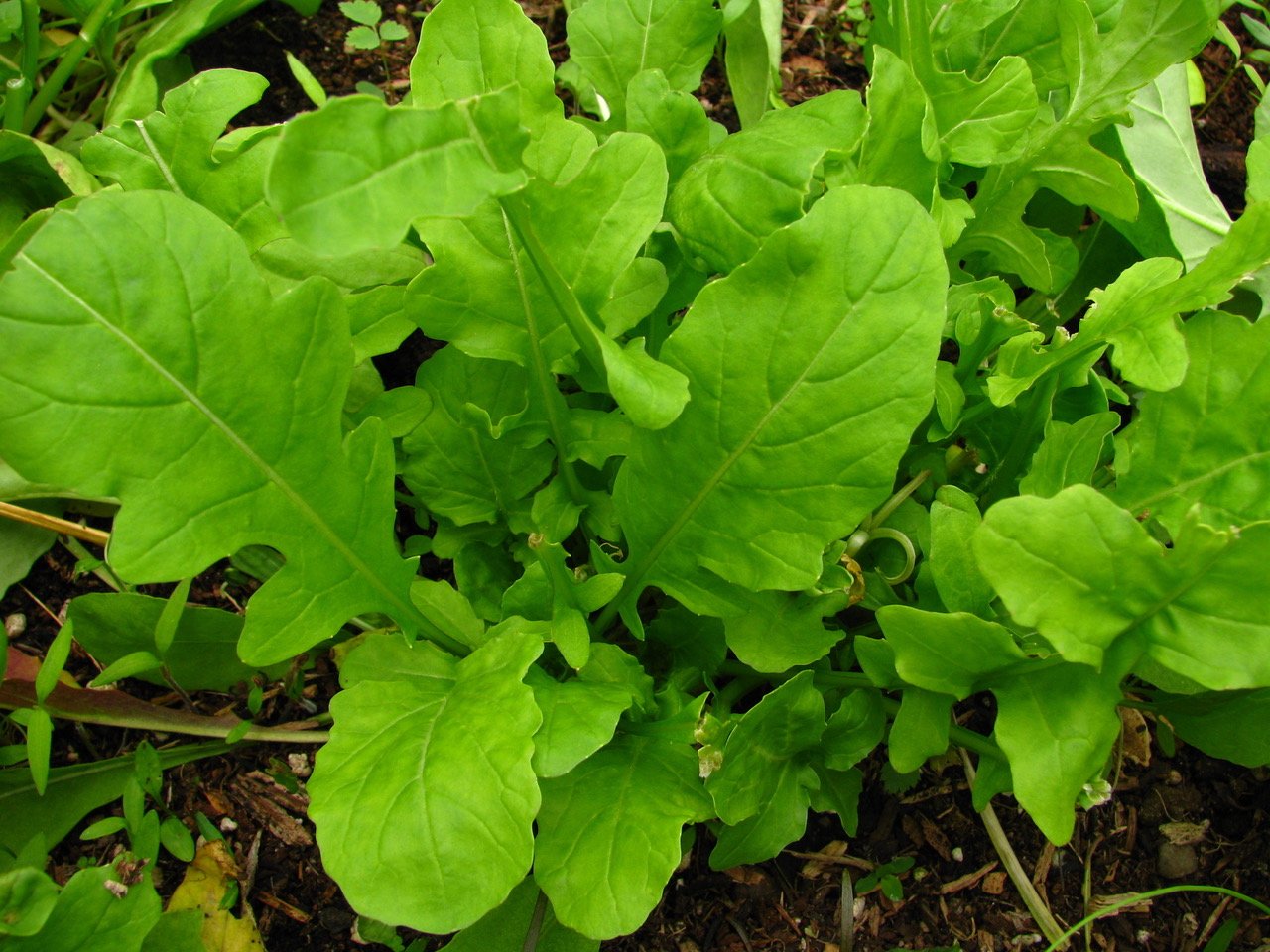
Baby Kale growing in a greenhouse

What to Know about Winter Greenhouse Growing? A Labor of Love

Quick Answer:

What should you know before starting winter greenhouse gardening? Winter greenhouse gardening is a rewarding but planning-intensive process that requires selecting cold-hardy crops, managing light levels (especially when natural daylight falls below 10 hours), and using techniques like nursery starts and staggered planting to maximize harvests. Unlike summer gardening, winter growing demands attention to airflow, spacing, and temperature control, as well as a realistic understanding of slower growth cycles. With insights from The Winter Market Gardener and practical strategies like using indoor nursery spaces, new growers can simplify the “work” of winter gardening and set themselves up for consistent cold-season success.


Uncover insightful tips and strategies that turn the labor of winter food cultivation into a rewarding journey. Your next adventure in gardening awaits.

BC Greenhouse Legacy in the Snow

What Are the Insulating Tips for Aluminum Frame Greenhouse?

Quick Answer:

What Are the Insulating Tips for Aluminum Frame Greenhouses?
Proper insulation is essential to maintain stable temperatures and protect plants during winter in aluminum frame greenhouses by preventing heat loss and drafts. Effective insulation involves using materials like bubble wrap, polycarbonate glazing, or fiberglass, combined with sealing air leaks around doors, vents, and foundations to maximize thermal efficiency. Additional strategies such as double-layer insulation, floor insulation, thermal curtains, and regular temperature monitoring help ensure a well-insulated greenhouse environment for year-round plant health.


Discover effective tips for insulating your aluminum frame greenhouse to protect your plants during the winter months.

Lush greenhouse

Illuminating Winter: Adding Hygge Charm in My Greenhouse

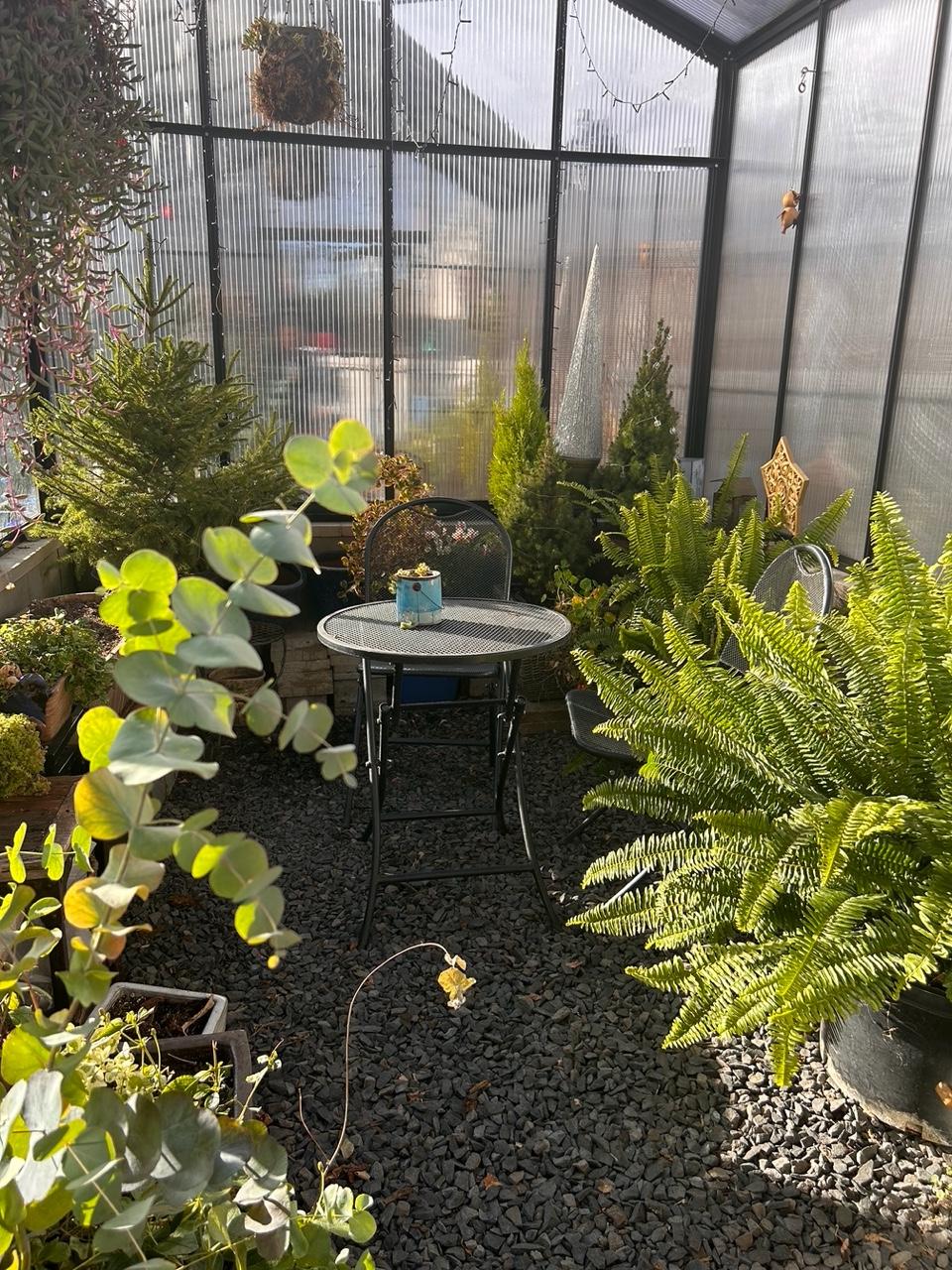
As we close in on late fall and the days get shorter, I am considering ways to bring more light and joy into my life. I decided to decorate my greenhouse with lights. Not grow lights. (They have to be placed 15 cm above plants to make a difference.) No, I am thinking about decorating generally and decorative lights specifically. Lights to stretch the beauty of my greenhouse through the upcoming social season and spread a bit of cheer.

How to Optimize a Greenhouse for Cold-Weather? Winter Gardening Tips

Quick Answer:

How do you optimize a greenhouse for cold-weather gardening? To succeed in winter greenhouse gardening, start by thoroughly preparing your space—cleaning, insulating, sealing gaps, and installing heating or thermal curtains to maintain consistent temperatures. Choose cold-hardy crops like kale, spinach, and carrots that thrive in lower light and cooler conditions, and protect them using row covers, frost blankets, or safe supplemental heating. Maximize growth by managing temperature, ventilation, and light—adding grow lights and slow-release fertilizer while ensuring air circulation to prevent disease—so you can enjoy a steady winter harvest of fresh, nutritious produce even in the coldest months.


Discover essential techniques and tips for successfully gardening in a cold weather greenhouse. From protecting your plants to maximizing growth, this guide will help you make the most of your winter greenhouse garden.

How Can You Grow More Greens in Your Greenhouse and Which Lettuce Varieties Are Best?

Quick Answer:

Growing a variety of lettuces like iceberg, Bibb, leaf, and romaine in your greenhouse ensures fresh, year-round greens despite outdoor shortages, while maintaining ideal moisture, shade, and temperature conditions maximizes yield and quality.


Planning to grow more greens in the new year

Dry weather in California has made lettuce plants weaker and a virus has ravaged crops, leaving farmers with little to sell, according to an article in the November 18, 2022, Calgary Herald. Consequently, iceberg and romaine lettuce are harder to find this month all over North America.

How Can You Optimize Your Greenhouse for Year-Round Food Production?

Quick Answer:

Optimize year-round food production in your greenhouse by maintaining controlled temperatures with heaters and fans, using soil management and cover crops to sustain nutrients and microbes, scheduling crop rotations strategically, and supplementing with grow lights to extend growing seasons—ensuring fresh, reliable harvests even in extreme weather.


Optimizing Your Greenhouse this Winter by Growing Food Year-Round

In my region an atmospheric river flooded out roads, rails and farms. This probably seems pretty minor compared to areas affected by cyclones and hurricanes but one thing is certain: there has never been a better time to own a greenhouse.

How to Grow Arugula in My Greenhouse? From Seed to Salad

Quick Answer:

How Do I Grow Arugula in My Greenhouse From Seed to Salad?
Arugula is an easy, hardy winter green that thrives in cool greenhouse conditions, reseeds itself naturally, and requires minimal pest control with simple mesh covers in spring. Growing your own arugula lets you enjoy fresh, flavorful leaves and edible flowers all winter long, perfect for salads or toppings. Understanding its growth cycle helps you maximize harvests and incorporate this nutritious green into your seasonal meals confidently.


My go-to recipe

My potluck arugula salad is sprinkled with jewel-toned tropical pomegranate seeds. My neighbour Barbara is excited and quickly tells me how much she loves the bitter taste of arugula. So I tell her I grow arugula as a winter crop and now she is all ears.

Winter Cactus

How to Keep Your Plants Safe During Winter? Greenhouse Gardening

Quick Answer:

To keep your plants safe in winter, use your greenhouse as a controlled environment by insulating with materials like bubble wrap, using energy-efficient methods such as partitioned zones or under-bench heating, and bringing more delicate plants indoors. Cold-hardy crops can thrive with minimal heating, and creative techniques like milk jug gardening or covered trays can extend your growing season. Personalize your setup to balance energy use, plant needs, and available space, turning setbacks—like a fallen Christmas cactus—into opportunities for propagation and resilience


Saturday Morning Startle

It’s 7 AM and I’m having coffee in my cozy rocking chair waiting for the sun to come up so I can walk the dogs.

snowy greenhouse

What Are the Best Tactics to Keep Your Plants Alive? Winter Greenhouse Gardening

Quick Answer:

What are the best tactics to keep your plants alive in a winter greenhouse? Protecting plants in winter requires matching their cold tolerance to the right strategies, such as using row covers, fabric shelters, thermostatic heaters, and airflow management to create microclimates within your greenhouse. Tropical plants should be moved indoors before the first frost, while semi-tropical species like citrus and bananas can thrive under floating row covers and supplemental heat. Temperate and hardy plants—like kale, arugula, and geraniums—often survive with less protection, but benefit from insulation, moisture, and bottom heat for propagation; overall success depends on segmenting your space, monitoring temperatures, and applying targeted heating only where needed.


Row Cover, Fleece and Heaters 

All these items will help your winter greenhouse.