
What Are the 5 Strategies for Reducing Mold and Fungus Problems in Greenhouses?
Quick Answer:
Posts about:
Quick Answer:
Quick Answer:
Quick Answer:
Quick Answer:
Quick Answer:
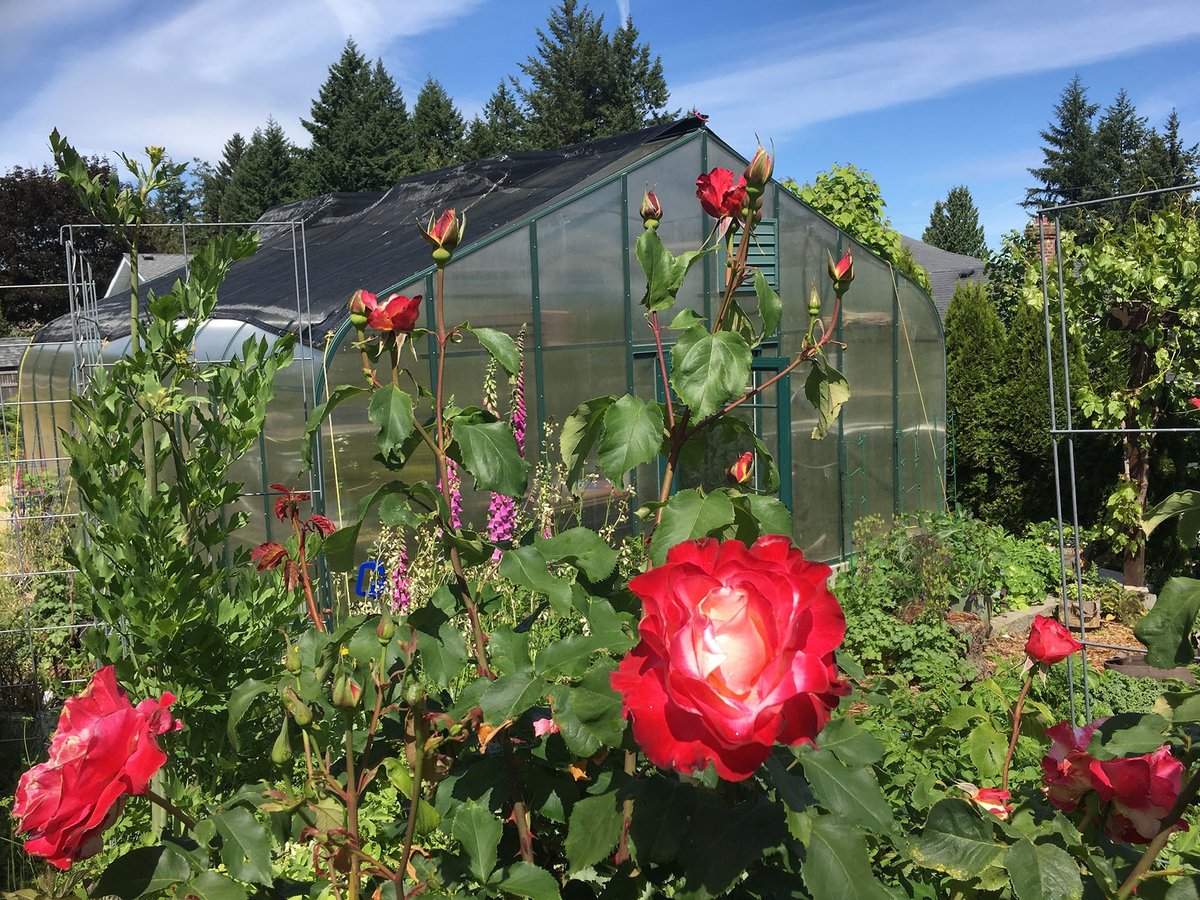
BC Greenhouse Builders recommends installing a UV-stabilized shade cloth over your greenhouse in late spring to manage summer heat:
Quick Answer:
BC Greenhouse Builders' Greenhouse Gardening School is an exclusive resource for BC Greenhouse customers, designed to help you get more from your greenhouse from day one. Hosted by Jordan Mara of Mind & Soil and horticulturalist Donna Balzer, the school covers everything from layout and design to soil, propagation, and plant care, with real customer gardens featured along the way.
Jordan Mara, Canadian gardener, mental health advocate, and founder of Mind & Soil, has spent five years building one of Canada's most trusted gardening channels. This season, a lifelong dream came true: his very own BC Greenhouse is installed and growing. He's documented every honest moment across three YouTube episodes, from a snowy install day to the first tomatoes in the ground in March.
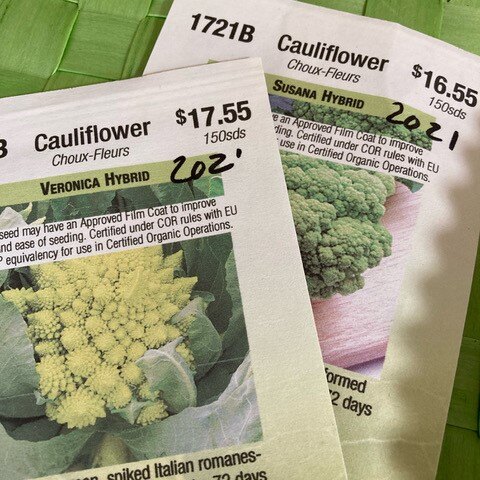
What are the essential seed terms for greenhouse gardening? Understanding common seed terminology is key when planning your greenhouse garden. Heirloom seeds are stable, open-pollinated varieties that grow true from saved seed, while hybrid (F1) seeds are lab-created crosses offering traits like disease resistance or high yield but cannot be reliably saved. F2–F5 seeds are later generations from hybrids, gradually stabilizing into your own heirlooms. Pelleted seeds are clay-coated for ease of planting, especially by machine, while treated seeds are coated with chemicals to resist rot in cold soil—something many organic growers prefer to avoid. Terms like “new” may refer only to catalogue listings, not to truly new varieties. You’ll also see micro-tomatoes, compact plants ideal for greenhouses, and days to maturity, which are useful for comparing growth speeds across varieties but are not precise. Ultimately, buying seeds in bulk from fewer suppliers or saving your own seed helps manage rising shipping costs while still offering variety and value in your greenhouse garden.
It is December and the seed catalogues are arriving fast and furious. Meanwhile, online suppliers are pounding out dozens of notices to remind us it is time to order seeds soon.
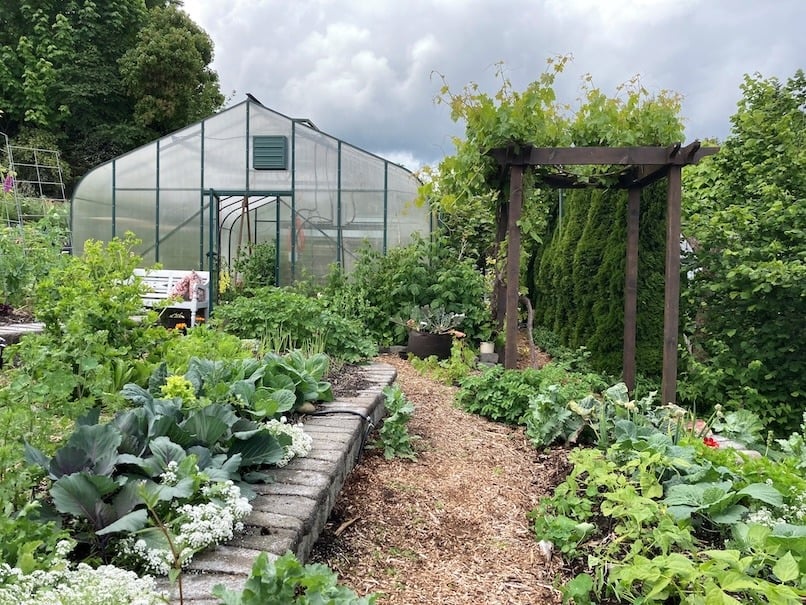
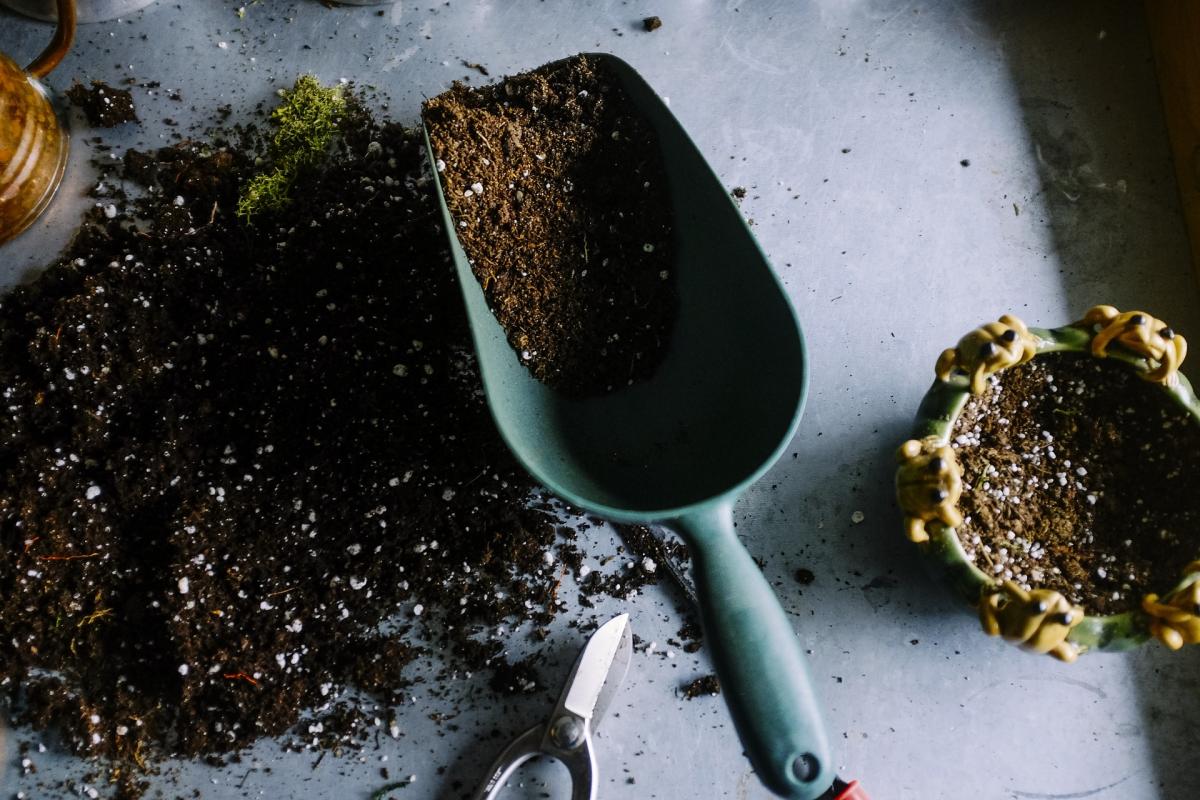
When I moved homes and built a new greenhouse, I was in for quite a surprise. The natural soil on my new lot is sand. Pure, yellow sand. This means it drains really well. It also means it does not hold nutrients to feed my plants.