
Skip to content
Announcement Bar/Update or Announcement   Learn More
  • There are no suggestions because the search field is empty.

Posts about:

winter greenhouse (2)

Baby Kale growing in a greenhouse

What to Know about Winter Greenhouse Growing? A Labor of Love

Quick Answer:

What should you know before starting winter greenhouse gardening? Winter greenhouse gardening is a rewarding but planning-intensive process that requires selecting cold-hardy crops, managing light levels (especially when natural daylight falls below 10 hours), and using techniques like nursery starts and staggered planting to maximize harvests. Unlike summer gardening, winter growing demands attention to airflow, spacing, and temperature control, as well as a realistic understanding of slower growth cycles. With insights from The Winter Market Gardener and practical strategies like using indoor nursery spaces, new growers can simplify the “work” of winter gardening and set themselves up for consistent cold-season success.


Uncover insightful tips and strategies that turn the labor of winter food cultivation into a rewarding journey. Your next adventure in gardening awaits.

BC Greenhouse Legacy in the Snow

What Are the Insulating Tips for Aluminum Frame Greenhouse?

Quick Answer:

What Are the Insulating Tips for Aluminum Frame Greenhouses?
Proper insulation is essential to maintain stable temperatures and protect plants during winter in aluminum frame greenhouses by preventing heat loss and drafts. Effective insulation involves using materials like bubble wrap, polycarbonate glazing, or fiberglass, combined with sealing air leaks around doors, vents, and foundations to maximize thermal efficiency. Additional strategies such as double-layer insulation, floor insulation, thermal curtains, and regular temperature monitoring help ensure a well-insulated greenhouse environment for year-round plant health.


Discover effective tips for insulating your aluminum frame greenhouse to protect your plants during the winter months.

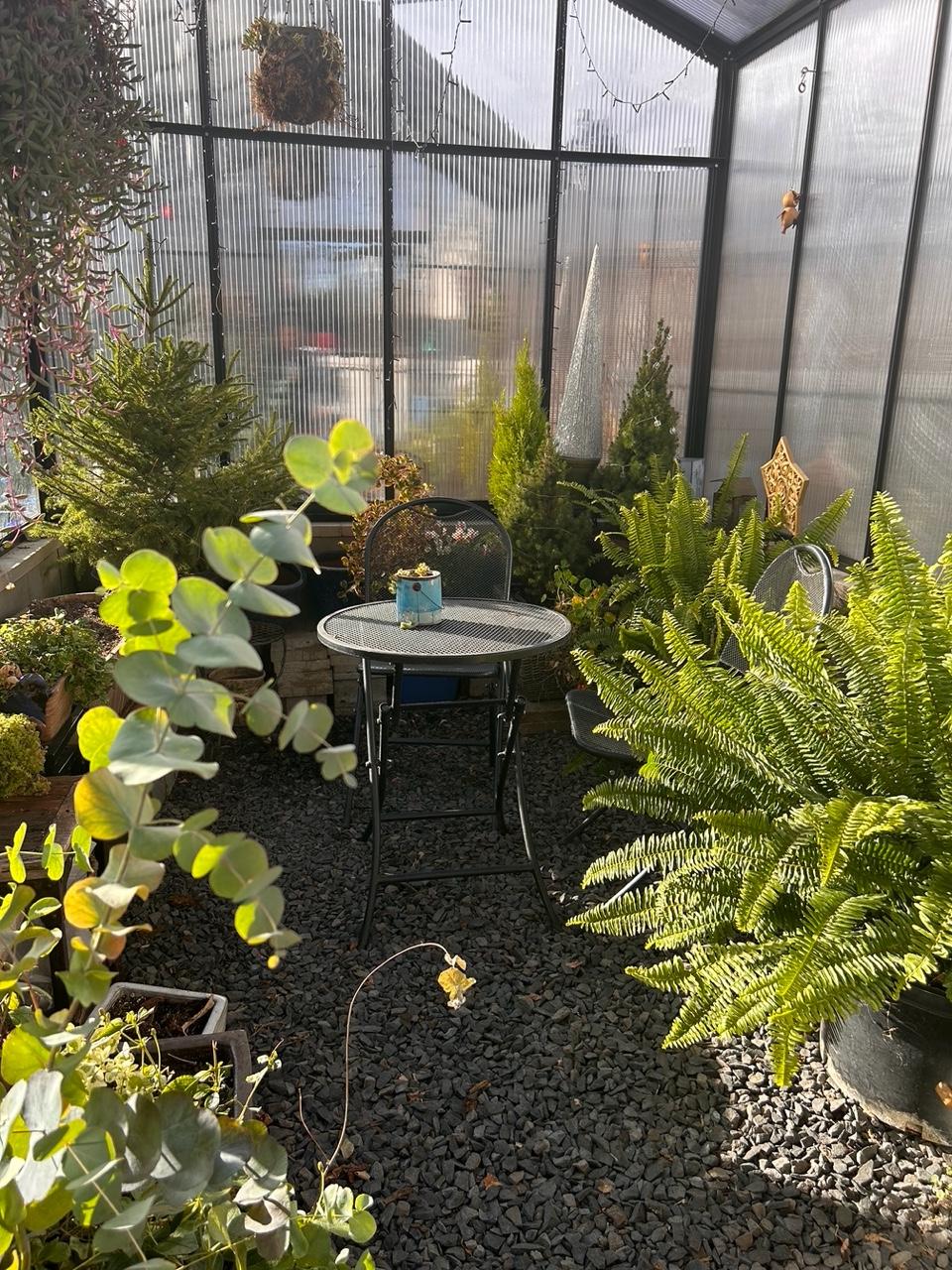
Lush greenhouse

Illuminating Winter: Adding Hygge Charm in My Greenhouse

As we close in on late fall and the days get shorter, I am considering ways to bring more light and joy into my life. I decided to decorate my greenhouse with lights. Not grow lights. (They have to be placed 15 cm above plants to make a difference.) No, I am thinking about decorating generally and decorative lights specifically. Lights to stretch the beauty of my greenhouse through the upcoming social season and spread a bit of cheer.

How to Optimize a Greenhouse for Cold-Weather? Winter Gardening Tips

Quick Answer:

How do you optimize a greenhouse for cold-weather gardening? To succeed in winter greenhouse gardening, start by thoroughly preparing your space—cleaning, insulating, sealing gaps, and installing heating or thermal curtains to maintain consistent temperatures. Choose cold-hardy crops like kale, spinach, and carrots that thrive in lower light and cooler conditions, and protect them using row covers, frost blankets, or safe supplemental heating. Maximize growth by managing temperature, ventilation, and light—adding grow lights and slow-release fertilizer while ensuring air circulation to prevent disease—so you can enjoy a steady winter harvest of fresh, nutritious produce even in the coldest months.


Discover essential techniques and tips for successfully gardening in a cold weather greenhouse. From protecting your plants to maximizing growth, this guide will help you make the most of your winter greenhouse garden.

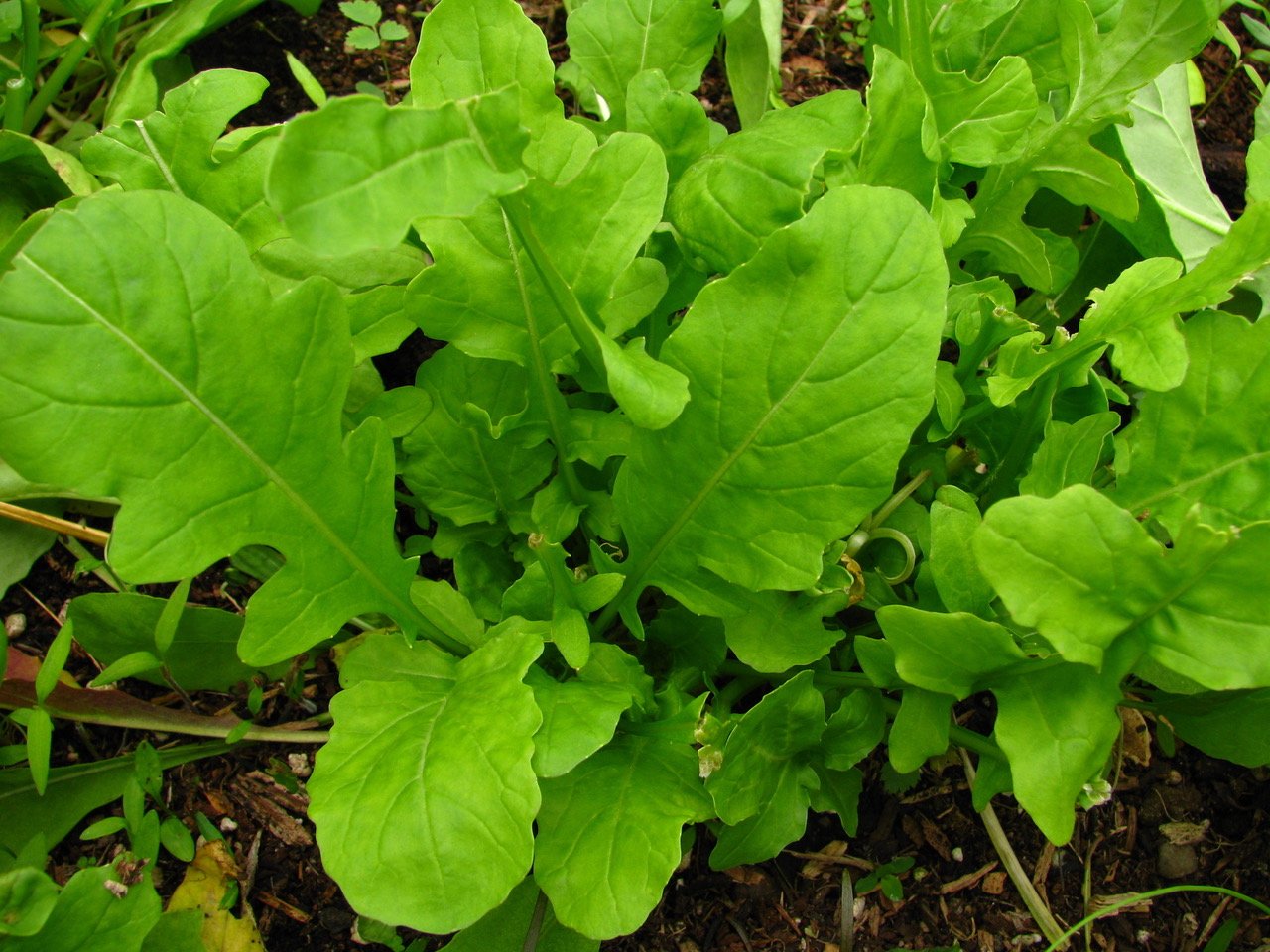
Lettuce growing in garden

How to Stagger Your Harvest? Double-Cropping for Your Winter Greenhouse

Quick Answer:

To stagger your harvest and maximize your greenhouse space, start cold-tolerant crops like cauliflower, broccoli, spinach, arugula, and green onions in mid to late summer, filling gaps as summer plants finish. This double-cropping method ensures a steady supply of fresh produce through fall and winter without needing supplemental heat. By seeding early, transplanting strategically, and using light frost protection like row covers, you can extend your growing season and enjoy bug-resistant, off-season harvests.


The peak of summer brings the best of all worlds for the greenhouse gardener. Early tomatoes, the first zucchini and loads of strawberries. But there is another thing summer brings. The chance to start winter vegetables in your greenhouse.

Winter Cactus

How to Keep Your Plants Safe During Winter? Greenhouse Gardening

Quick Answer:

To keep your plants safe in winter, use your greenhouse as a controlled environment by insulating with materials like bubble wrap, using energy-efficient methods such as partitioned zones or under-bench heating, and bringing more delicate plants indoors. Cold-hardy crops can thrive with minimal heating, and creative techniques like milk jug gardening or covered trays can extend your growing season. Personalize your setup to balance energy use, plant needs, and available space, turning setbacks—like a fallen Christmas cactus—into opportunities for propagation and resilience


Saturday Morning Startle

It’s 7 AM and I’m having coffee in my cozy rocking chair waiting for the sun to come up so I can walk the dogs.

How Can I Maximize My Greenhouse Growing Schedule for Year-Round Seasonal Produce?

Quick Answer:

Strategically rotate crops by seeding quick growers like radishes and greens alongside longer-season vegetables, using every opening in your greenhouse to maintain continuous harvests from early spring through late fall—without needing a rigid chart, just readiness and smart succession planting.


My crazy dogs

Corle ran ahead of me on the beach and stuck her head right into a dead seal. And then she took a big bite. 

Donna Balzer and her dog

How to Clear Greenhouse Waste? Tips for Small-Scale Gardeners

Quick Answer:

Clearing greenhouse waste on a small scale involves chopping bulky plants into smaller pieces to speed composting, using tools like a chipper and rodent-proof compost bins such as the Speedibin for faster, pest-free decomposition. When animal assistance isn’t available, this method efficiently manages large volumes of plant debris, turning waste into valuable compost in about six months. Proper waste management not only keeps your greenhouse tidy but also supports sustainable gardening by recycling nutrients back into your soil.


Arnold is always hungry. And some of his favorite foods are the fruits and vegetables I grow in my greenhouse.  He also eats the plants of the tomatoes and squash I grow. He gently pokes around, licking up the small green fruits first and then chomps down on the whole tangled twisted plant.