
.png)
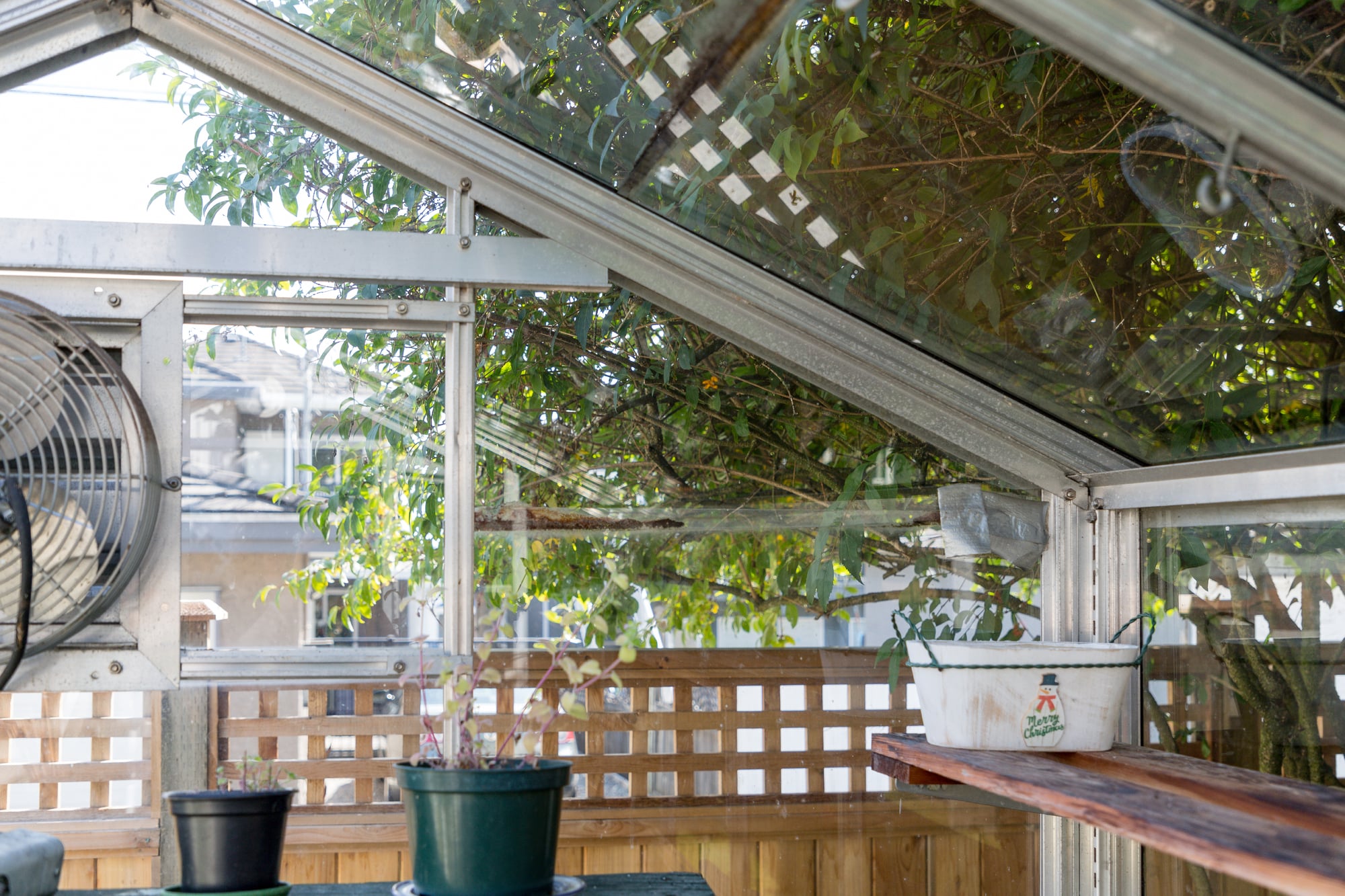
10 Mistakes First-time Greenhouse Owners Make (and How to Avoid Them)
Quick Answer
First-time greenhouse owners most often buy too small, overlook winter sun when choosing a location, skip permit checks, and rush the foundation and installation. Once they're growing, overheating, overwatering, and missed seasonal maintenance are the most common struggles. Nearly all of these are easy to avoid with a little planning, and BC Greenhouse Builders can help you set up your greenhouse for success from day one.

Do You Need a Permit to Build a Greenhouse
Quick Answer
Whether you need a permit to build a greenhouse depends on a few key factors: the size of your structure, your foundation type, and whether it is freestanding or attached to your home. Many municipalities do not require a permit for greenhouses under 120 square feet on a non-permanent foundation, like pressure-treated wood, but larger builds, concrete foundations, and home-attached greenhouses are more likely to need one. Requirements vary by city and county, so it is always worth checking with your local planning department to confirm what applies to your project. At BC Greenhous Builders, our team can help you prepare everything you need, from wind and snow load specs to engineered drawings, if a permit is required.
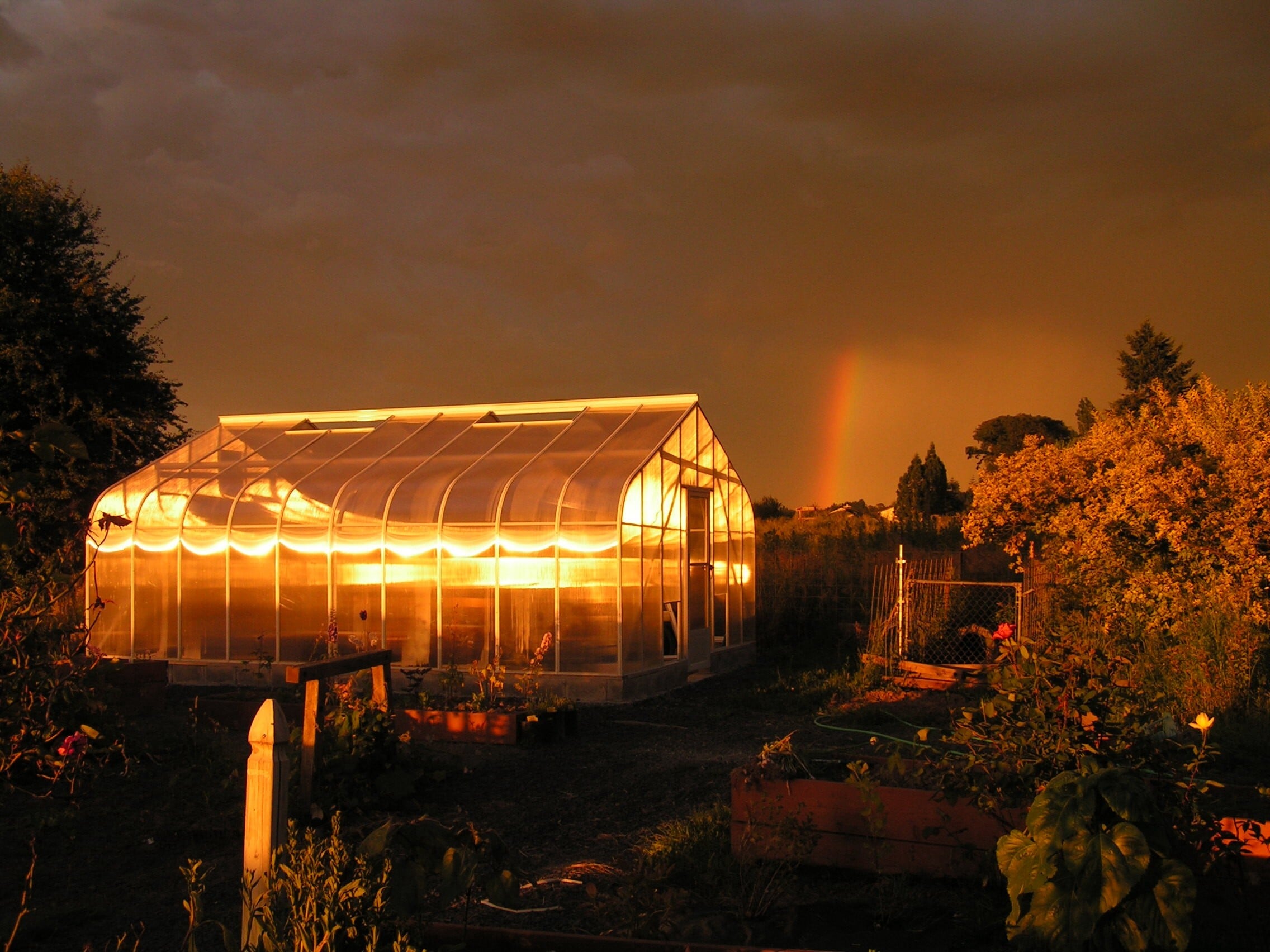
The Complete Guide to Wind-Ready Backyard Greenhouses
Quick Answer
Yes, a budget-friendly backyard greenhouse kit can absolutely stand up to real wind, as long as the frame gauge, load ratings, and foundation are done right, regardless of whether the frame is aluminum, steel, or wood. BC Greenhouse Builders' economy greenhouse kits, including The Legacy, The Sunhaven, and The Westgrove, meet a standard 85 MPH wind and 32 PSF snow load rating out of the box, with engineering available up to 140 MPH and 100+ PSF for extreme climates.
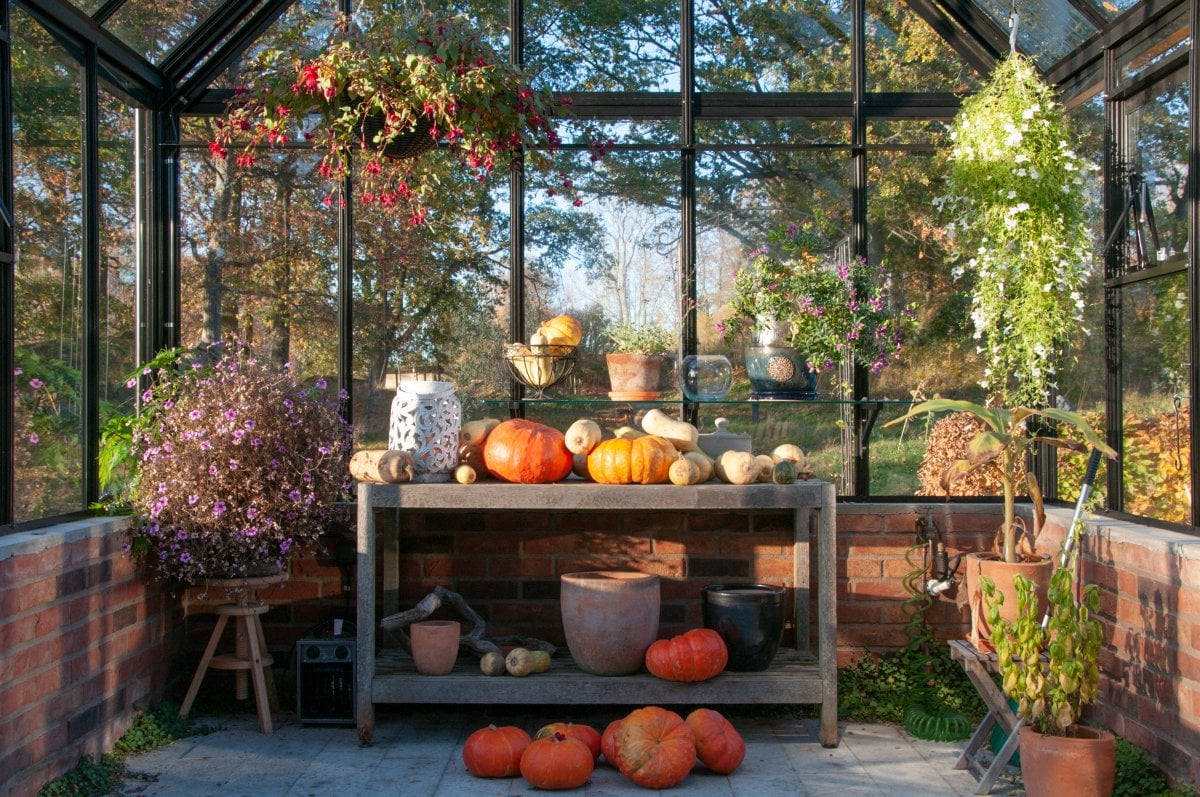
Fall Greenhouse Prep: What to Do Before the First Frost
Quick Answer:
Start before the frost hits. Once nighttime temperatures are consistently dropping into the single digits Celsius (upper 40s Fahrenheit), it is time to clean, check equipment, and add insulation, not wait for a frost warning to show up on the forecast.
Clear out and clean first. Remove finished summer crops, wash down any plants staying in for winter, and pencil in a deep clean for mid-November before things get too cold to tackle it comfortably.
Check your equipment, then seal in the heat. Inspect fasteners, vents, and fans while the weather still allows for it, then add insulation, thermal mass, row covers, or soil warming to hold onto heat as temperatures fall.
Ease off watering and switch crops. Cut back as growth slows down, and swap warm-season plants for cold-hardy crops like kale, spinach, and Swiss chard to keep the greenhouse productive right through winter.
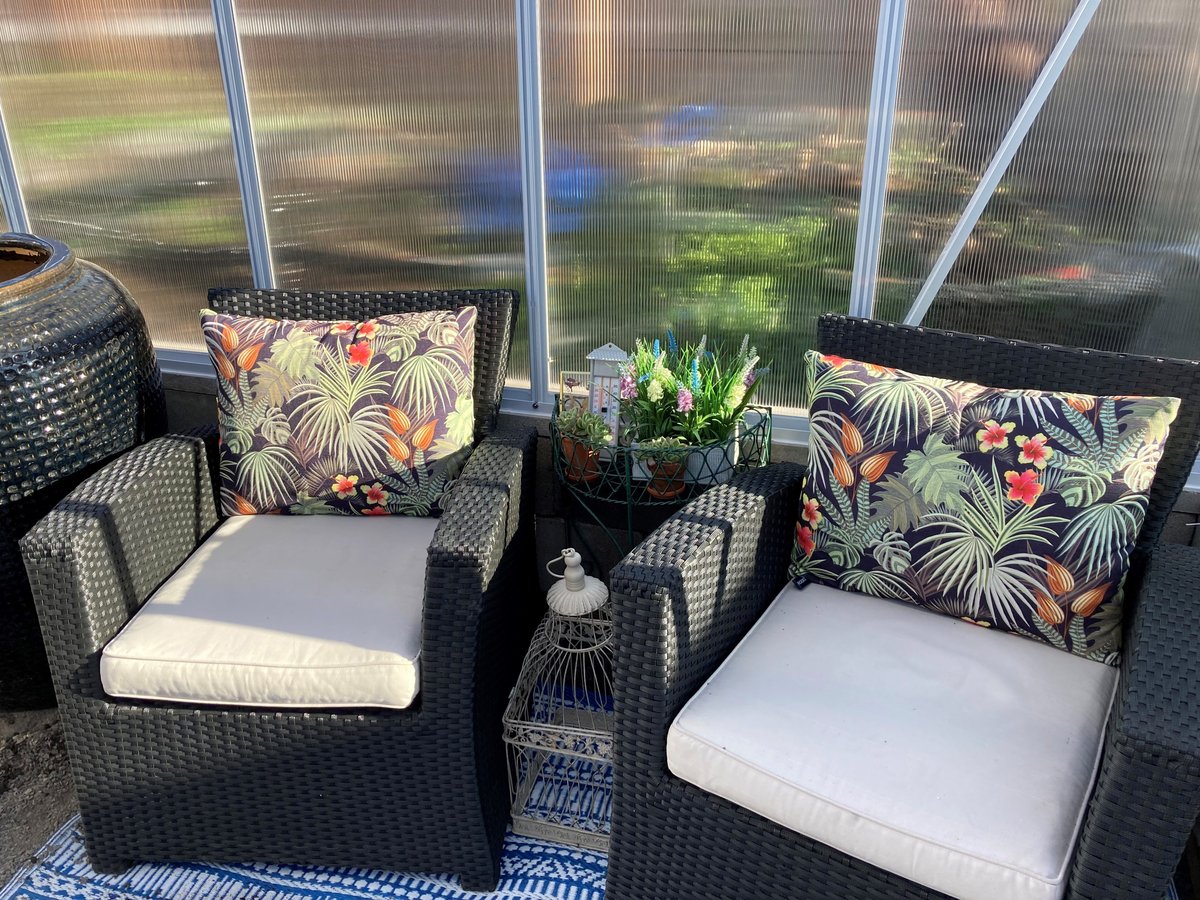
How Can You Decorate Your Greenhouse to Create a Personal Oasis?
Quick Answer:
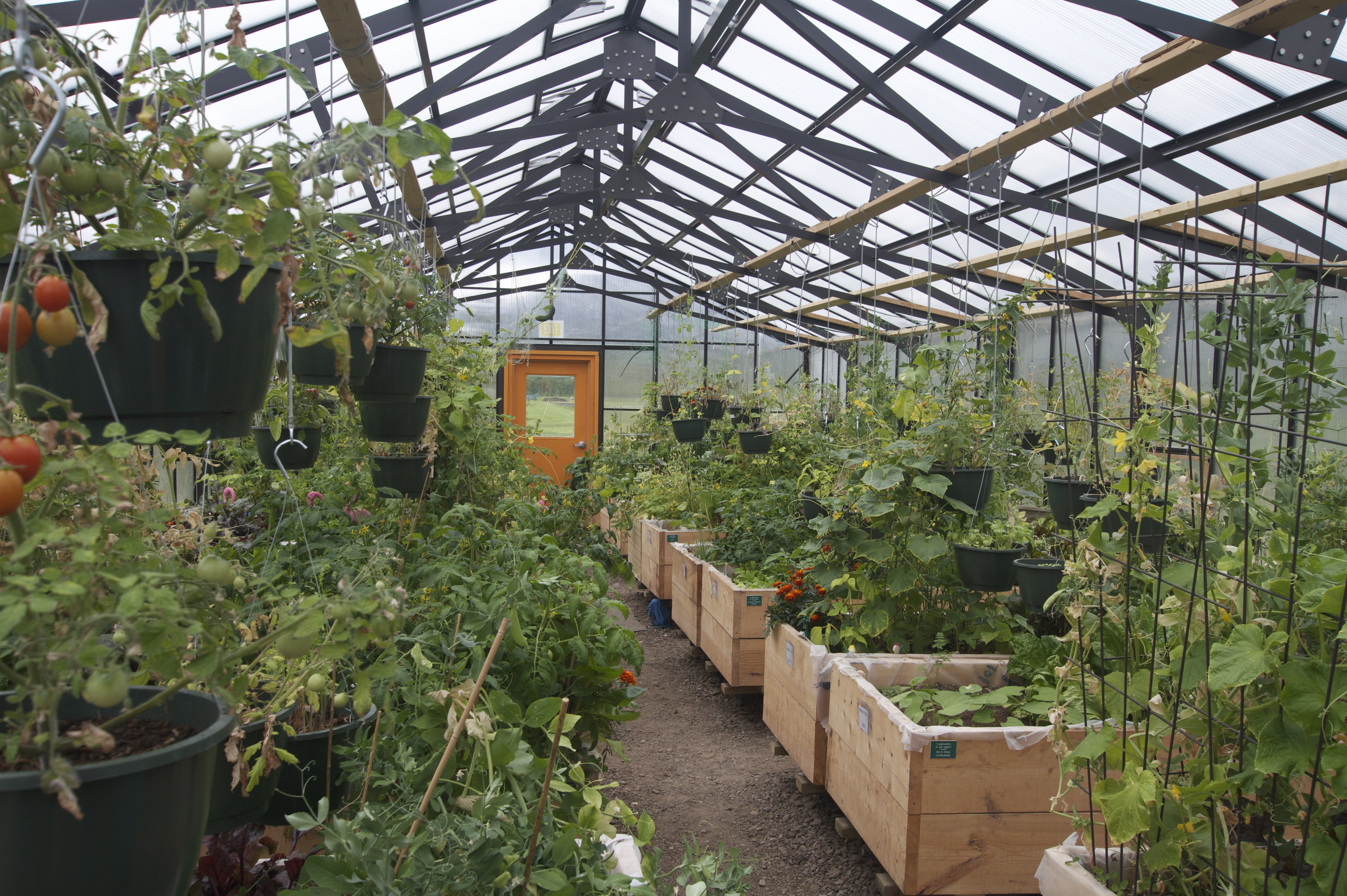
What Are the 5 Strategies for Reducing Mold and Fungus Problems in Greenhouses?
Quick Answer:
What Are the DIY Tips for Fixing a Stuck Greenhouse Roof Vent?
Quick Answer:
What Are the Tips for Growing Greenhouse Tomatoes in the Heat? July in the Greenhouse
Quick Answer:
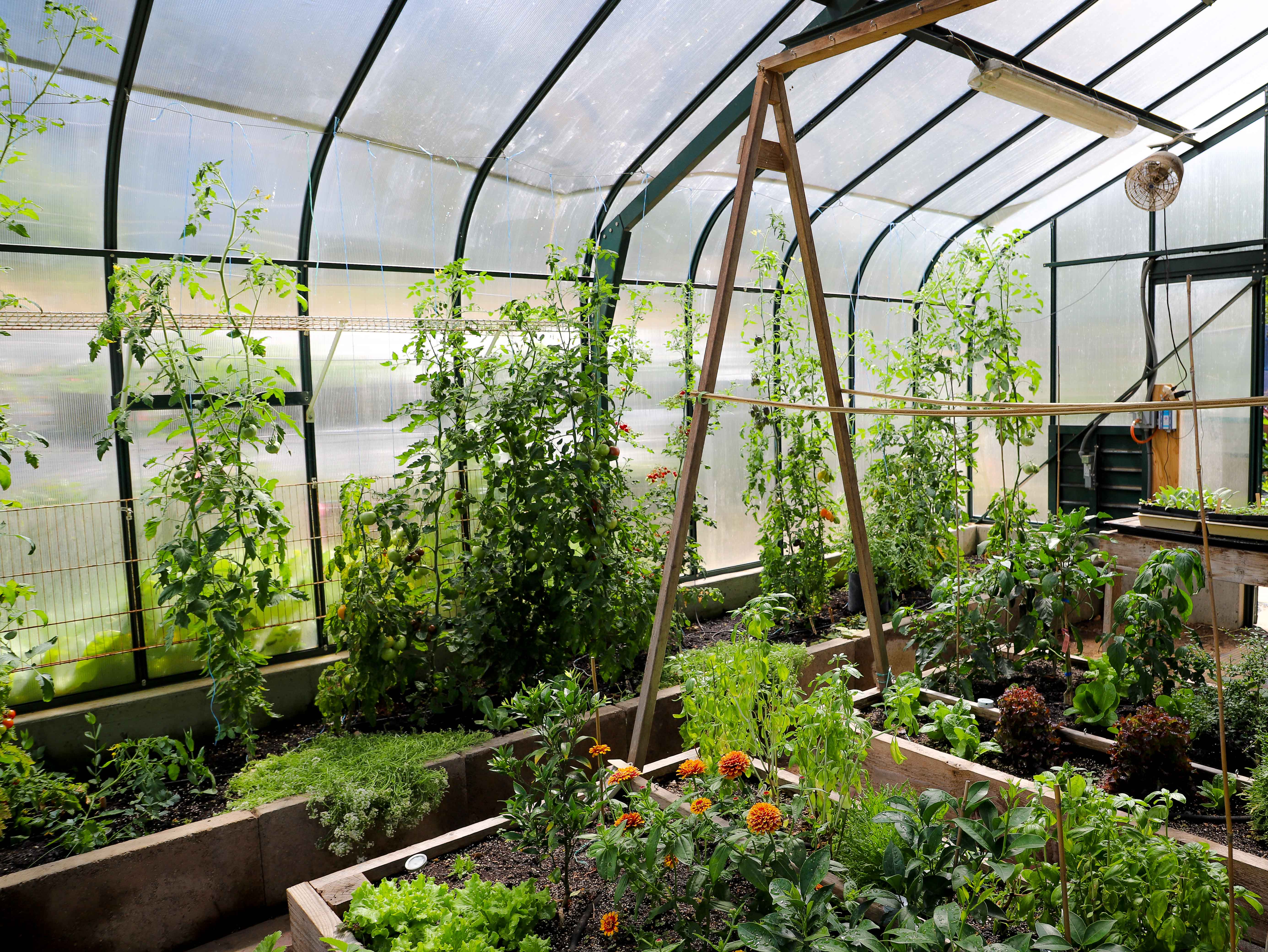
How Much Food Can My Small Greenhouse Grow?
Quick Answer: