Quick Answer
In a winter greenhouse, you control humidity by combining light ventilation, careful watering, and steady air movement so surfaces can dry and plants stay healthy instead of sitting in constant damp. Aim for moisture that keeps foliage hydrated but not dripping, then use short venting sessions, open a door or louvre on mild days, avoid overwatering, and run a small circulating fan to break up condensation. A strong, thoughtfully designed structure from BC Greenhouse Builders, with roof vents, good glazing, and the right foundation, makes it much easier to keep that balance all season.
- Why does humidity build up in a winter greenhouse?
- What humidity level should you aim for in a winter greenhouse?
- How can you tell when your greenhouse is too humid?
- How can you use ventilation to manage winter humidity without losing heat?
- How do watering habits influence winter humidity in the garden?
- How do layout and structure affect humidity pockets?
- What simple routines keep winter humidity steady in a greenhouse?
- How does greenhouse design help you stay ahead of winter humidity?
When you step into a winter greenhouse, the first thing you often notice is the air. It may feel warm and bright compared to the garden outside, yet heavy with moisture. A little condensation is normal under glazing in cold weather, but when that moisture starts dripping from the rafters, clouding your glazing, or settling on leaves, the balance can tip quickly. Winter humidity is one of the most common challenges greenhouse growers face, and it tends to show up just as the days shorten and vents stay closed for longer stretches.
The good news is that humidity is not the enemy. In fact, winter crops appreciate steady moisture in the air. The goal is not to eliminate humidity but to guide it, so it supports your plants rather than stressing them. With a few small habits and a better understanding of how moisture behaves in winter, you can create a greenhouse environment that stays comfortable, productive, and much easier to manage. A well-designed structure, like a BC Greenhouse, gives you the tools to do that with thoughtful ventilation, durable glazing, and foundations that support healthy airflow.
Why Does Humidity Build Up in a Winter Greenhouse?
In winter, the greenhouse becomes a more closed system. You open vents less often, the sun sits lower in the sky, and nighttime temperatures drop sharply. Those shifts create perfect conditions for humidity to rise.
How winter conditions change moisture
Plants continue to transpire even in cold weather, releasing moisture into the air through their leaves. Soil also releases moisture, especially right after watering. In summer, that moisture moves out through open vents. In winter, with vents mostly closed, the moisture stays inside.
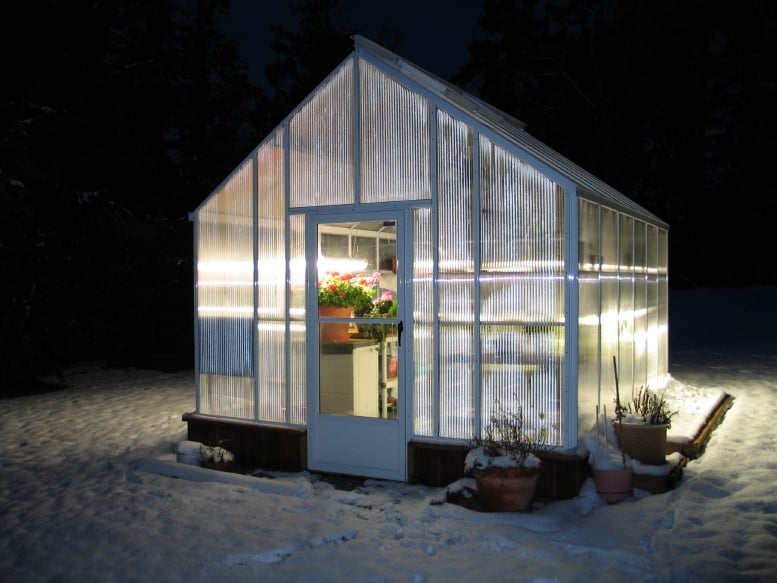
On top of that, cold nights cool the glazing. When warm, moist air rises and touches those cold surfaces, condensation forms. This is why you may see fogged panels or droplets on the rafters early in the morning.
A simple explanation of condensation under glass
Condensation forms whenever warm, humid air meets a cold surface. In a winter greenhouse, this happens over and over as temperatures shift throughout the day. Even a well-insulated greenhouse sees this effect because glass and polycarbonate always cool down faster than the air inside.

What Humidity Level Should You Aim For in a Winter Greenhouse?
There is no single perfect number, but most winter crops grow comfortably in moderate humidity, where the air feels moist but not wet. You want enough moisture to keep foliage hydrated without inviting mildew or keeping surfaces damp all day.
When higher humidity can be helpful
Some situations benefit from slightly elevated humidity.
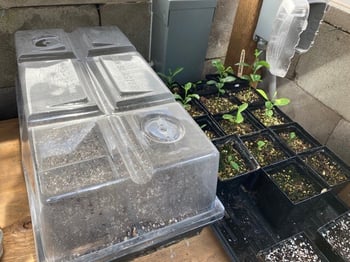
Seed starting and propagation trays dry out less quickly
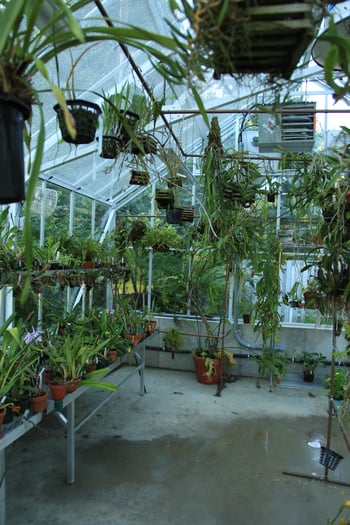
Tropical collections prefergentler humidity swings

Tender greens may stay more supple in a moist environment
In these cases, humidity supports growth as long as airflow stays steady.
When drier conditions are safer
Certain situations call for more caution.
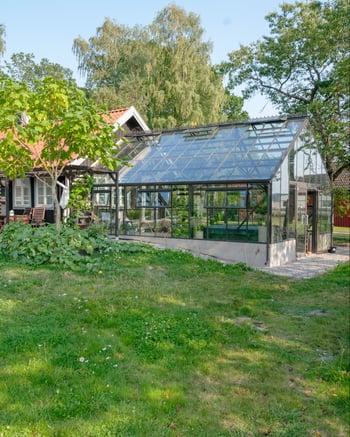
Attached greenhouses built against finished walls need careful moisture control so the shared wall stays dry.
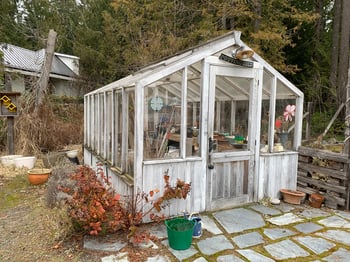
Older structures with limited airflow may develop damp corners that stay wet too long

Densely planted layouts trap moisture between leaves and reduce air movement.
Simple signs your humidity balance is off
- If leaves develop brown, crispy edges, the air may be too dry
- If the air feels heavy or smells earthy, or if mildew appears, humidity may be too high
- If condensation lingers into the afternoon, airflow likely needs improvement
Balanced humidity is less about hitting a specific number and more about how the greenhouse feels and responds through the day.
How Can You Tell When Your Greenhouse is Too Humid?
Just like soil health, humidity can be read through simple observations. A few daily checks tell you almost everything you need to know about what is happening in the air.
Visual signs
- Fogged or dripping glazing well past midmorning
- Water collection on rafters, benches, or shelves
- Algae forming on pots or floors

Plant signs
- Powdery mildew or grey fuzz (botrytis) on leaves
- Fungus gnats are hovering around damp soil
- Leaves that stay wet for long periods after watering
Structural signs
- Damp corners or sill plates
- Moisture behind densely packed shelving
- Puddles are forming where condensation drips repeatedly
If you notice these patterns across the same areas, you likely have moisture pockets caused by limited airflow. These spots are often easy to fix once you adjust ventilation or plant spacing.
How Can You Use Ventilation to Manage Winter Humidity Without Losing Heat?
Ventilation is your strongest tool for balancing winter humidity. The trick is to use it lightly and intentionally, so you refresh the air without letting too much heat escape.
Smart venting on cold days
In a BC Greenhouse, roof vents use AVO wax cylinders, so they react to temperature on their own and begin to open as the interior warms. On a bright winter day, you may see those vents lift even when the air outside is cold. To support them, you can also open a door or louver slightly for a few minutes during the warmest part of the day. This gives moist air a clear path out without a large temperature drop inside.
Short bursts of ventilation are often more effective than holding vents wide open.
Creating airflow loops
Greenhouses move air best when they have an entry and exit point. A roof vent paired with a door or louver vent creates a natural upward draft that carries humid air out and pulls fresh air in.
Even in winter, this gentle movement clears moisture without a dramatic heat loss.
Why every winter greenhouse needs a circulating fan
A circulating fan keeps warm, moist air from gathering at the peak. Without one, humidity rises to the roof where it condenses and drips. Nathan highlights the before and after using a small circulating fan in the video below to regulate condensation build up.
Fans do not need to be strong. A steady, gentle airflow is enough to keep surfaces drier and plants happier.
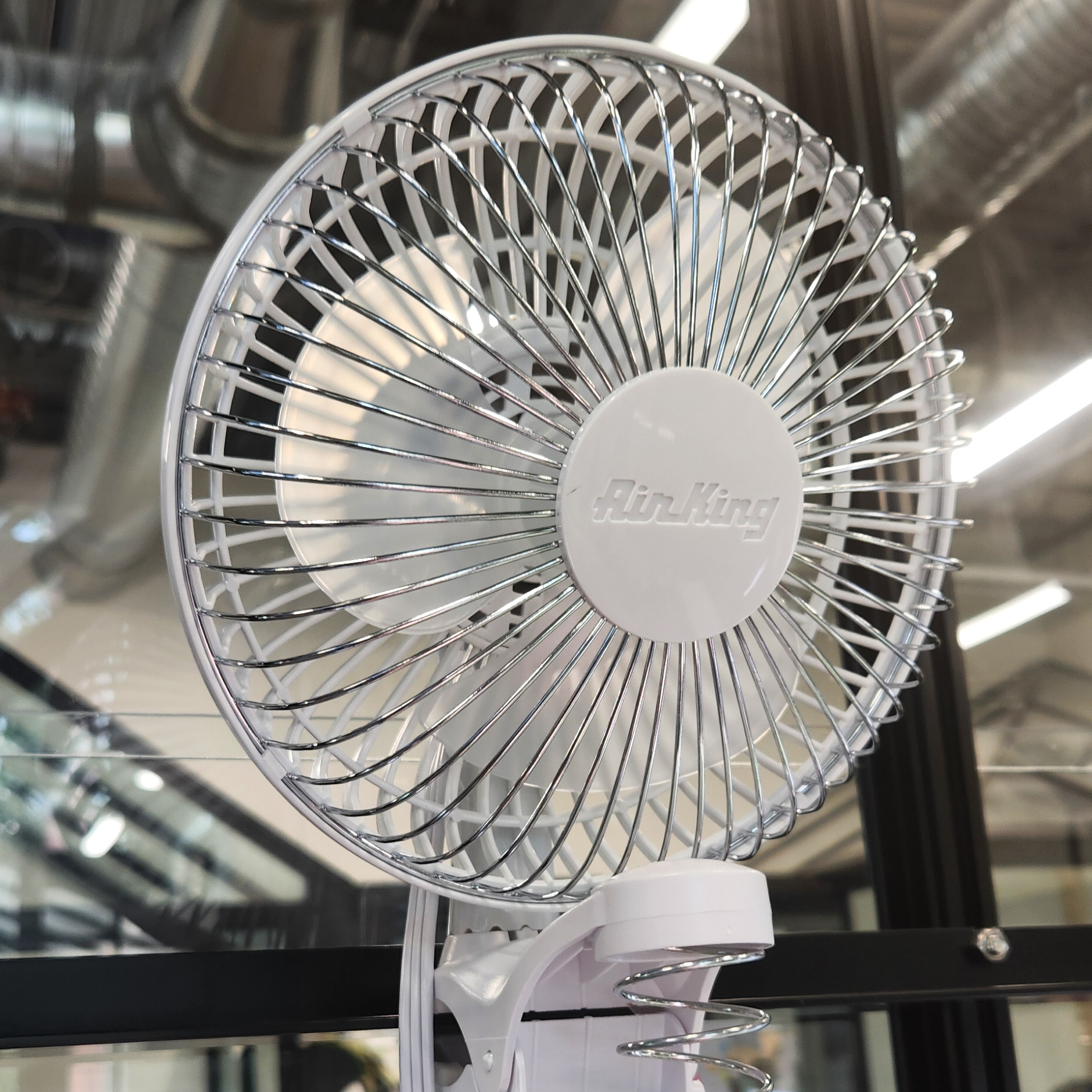
Air King 6-Inch Clip-on Fan
$43.99The perfect durable clip-on fan for greenhouse use, providing powerful airflow and easy installation. Adjustable and compact, ideal for tight space.
How Do Watering Habits Influence Winter Humidity in the Garden?
Winter watering is slower, lighter, and more deliberate than summer watering. Plants use less water in cool weather, and soil stays damp for longer.
Why winter plants need less water
As daylight decreases and temperatures fall, plants grow more slowly. Their roots pull less water, and evaporation slows inside the greenhouse. Watering on a summer schedule in winter almost always leads to soggy soil and high humidity.
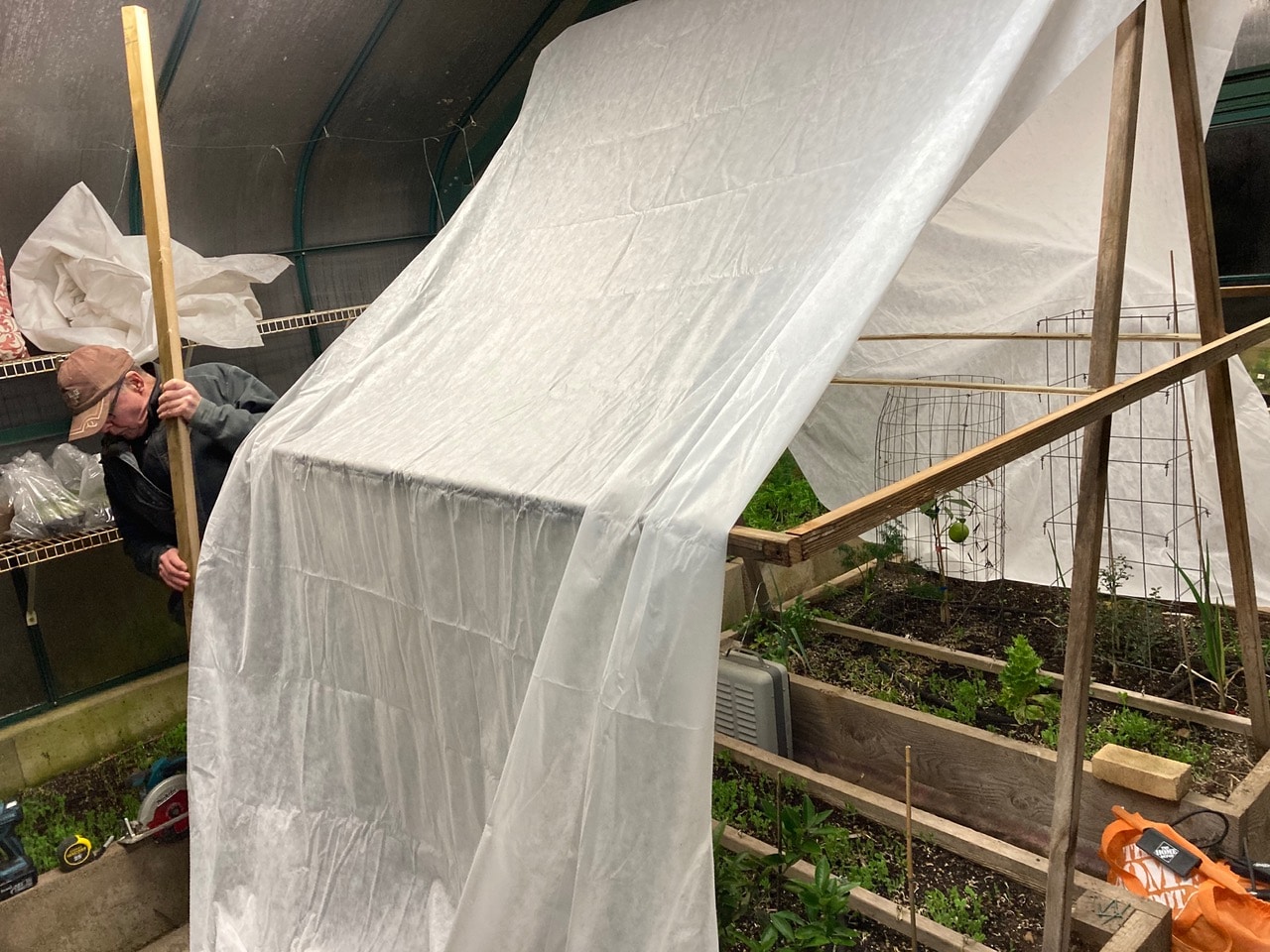
Healthy winter watering patterns
- Water deeply and less often
- Always water in the morning
- Check soil moisture before watering instead of watering by routine
Watering in the morning gives leaves and the soil surface time to dry before cooler night temperatures return.
Common winter watering traps
- Leaving trays or saucers filled with water under pots
- Watering too lightly, which keeps the top layer wet but leaves lower soil compacted
- Watering because a plant "looks thirsty" when it is simply growing slowly
A quick soil check with your fingers is often more reliable than any schedule.
How Do Layout and Structure Affect Humidity Pockets?
Humidity does not rise evenly. It collects in corners, travels upward, and settles wherever airflow slows. Your greenhouse layout plays a big role in how moisture moves.
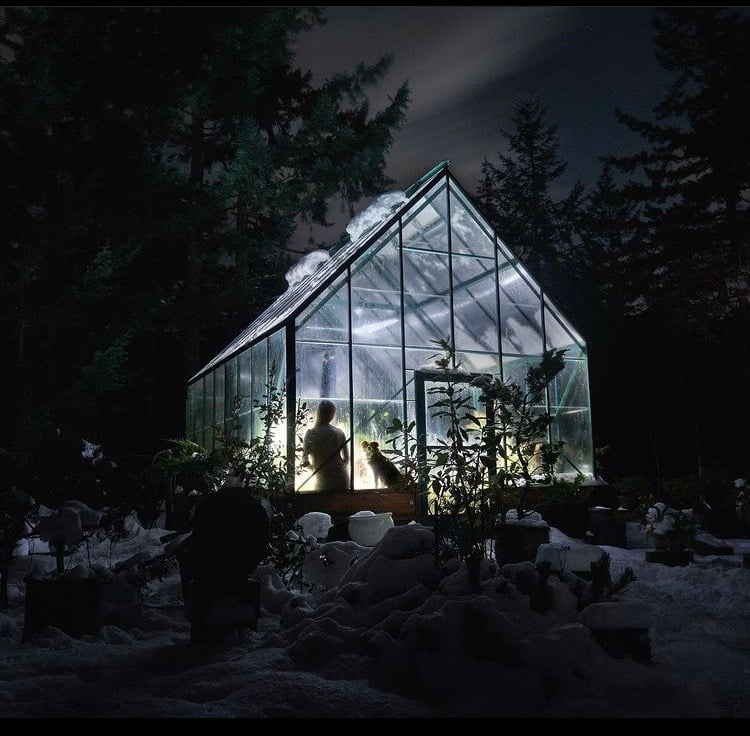
How bench layout changes airflow
Plants packed tightly together trap moisture between their leaves. Shelving pressed directly against glazing blocks warm air from circulating. Even a few small adjustments, such as pulling benches away from walls or leaving space between large containers, can help air move more freely.
How flooring and foundation influence moisture
Good drainage keeps greenhouse air drier. Gravel flows allow excess water to sink away instead of pooling. Concrete floors with drains move water out quickly and reduce amp zones.
Foundations that stay dry lead to air that stays fresher.

Helpful add-ons that support airflow
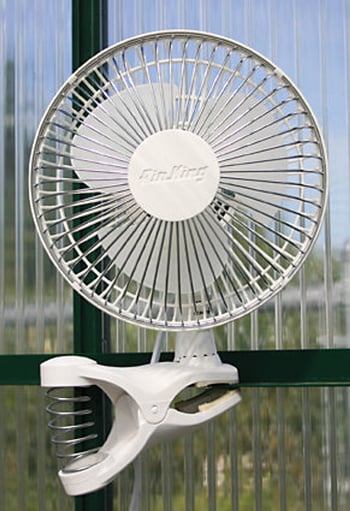
Extra circulating fans for corners
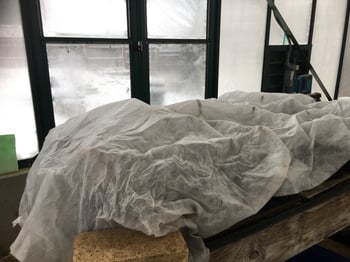
Row cover or energy curtains that help modertate temperature swings
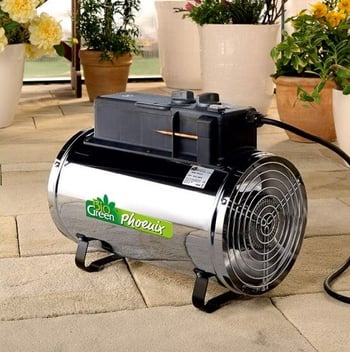
Small, safely placed heat sources that guide warm air upward without overheating plants
These tools work together to manage how moisture behaves inside the greenhouse.
What Simple Routines Keep Winter Humidity Steady in a Greenhouse?
Winter humidity control is not a single project. It is a set of tiny habits that, when done regularly, prevent problems long before they start.
Daily checks
- Look for lingering condensation in the morning
- Confirm fans are running and vents are closed or cracked intentionally
- Feel the soil in a few representative pots to avoid overwatering
Weekly habits
- Wipe areas of glazing where condensation gathers most
- Rotate plants or shift containers to improve airflow
- Vent on any mild day, even briefly, to refresh the air
Monthly resets
- Inspect weather stripping, vents, and seals
- Review heater and fan placement as temperature change
- Adjust plant layout if certain corners stay damp
These routines take only a few minutes and keep winter greenhouse care easy and predictable.
How Does Greenhouse Design Help You Stay Ahead of Winter Humidity?
Greenhouse design and winter moisture management go hand in hand. When structure, foundation, and airflow are planned well, humidity becomes much easier to control.
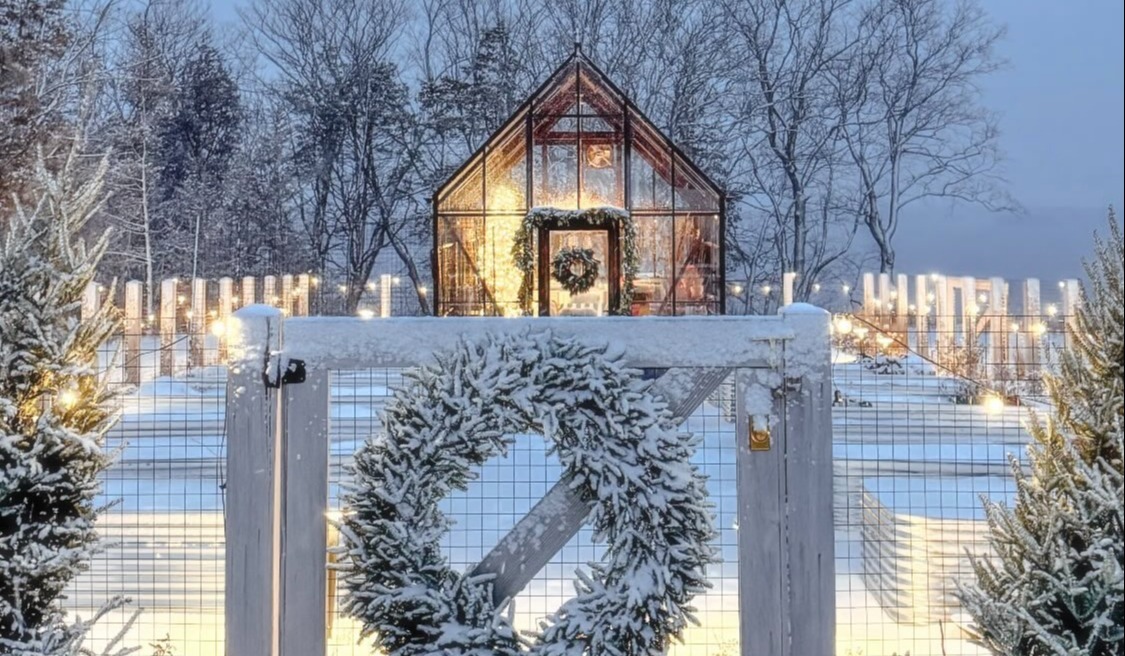
Ventilation built into the structure
Engineered roof vents, intake vents, and circulation options allow you to move air even in cold weather. Wide vents paired with gentle fans help refresh the air without losing all the heat you have built up during the day.
Glazing that moderates temperature swings
Polycarbonate provides insulation that reduces sharp temperature drops at night. Clear glass allows maximum light to reach plants during short winter days. Both choices influence how quickly surfaces cool and how much condensation you see.
Foundations and flooring that support drier air
A well-drained foundation prevents standing water, one of the biggest contributors to high humidity. Gravel, drains, and raised beds all play a role in keeping moisture where it belongs.
How your structure and habits work together to control humidity
Balancing humidity is about understanding how air, water, and structure work together. When you combine thoughtful design with a few steady habits, your winter greenhouse becomes a comfortable, productive space where plants and people can thrive.
A BC Greenhouse gives you the strength, ventilation, and design flexibility to manage winter humidity with confidence, so your growing season never truly has to end.