Skip to content
Announcement Bar/Update or Announcement   Learn More
  • There are no suggestions because the search field is empty.

Posts about:

small greenhouse kit (2)

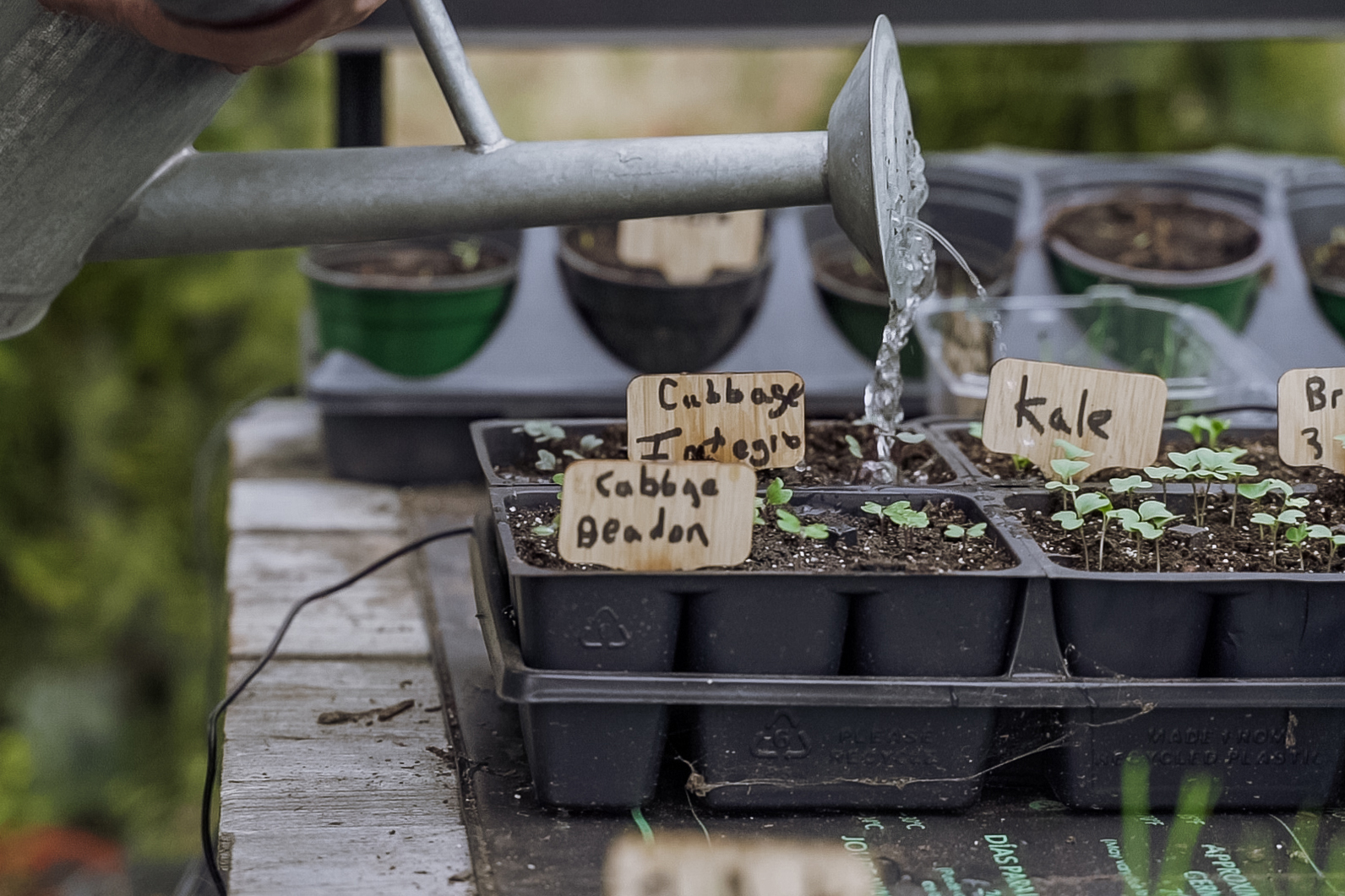
Seeds sprouting

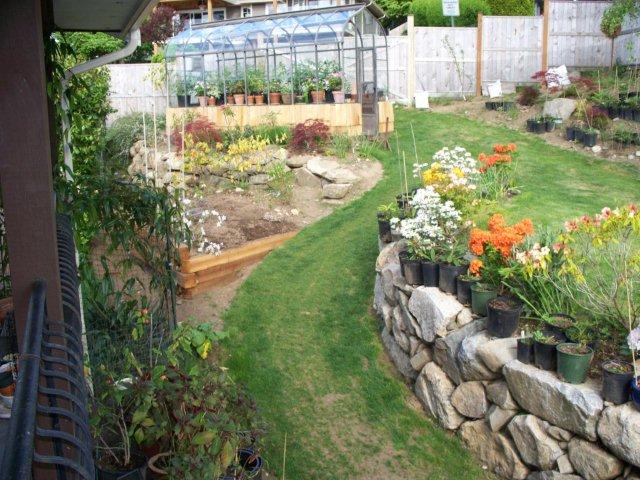
The Story of Two Used Greenhouses from Craigslist


A Testament to the Durability of BC Greenhouse Builders Products

Big thanks to Larry Clarkson for telling us the story of his two used Traditional Greenhouses

Larry won the greenhouse lottery and found two used BC Greenhouse Traditional model greenhouses on, of all places, Craigslist. It's worth saying that we do not sell used greenhouses. After this story broke, our email blew up with requests from customers wanting to buy refurbished greenhouses. 

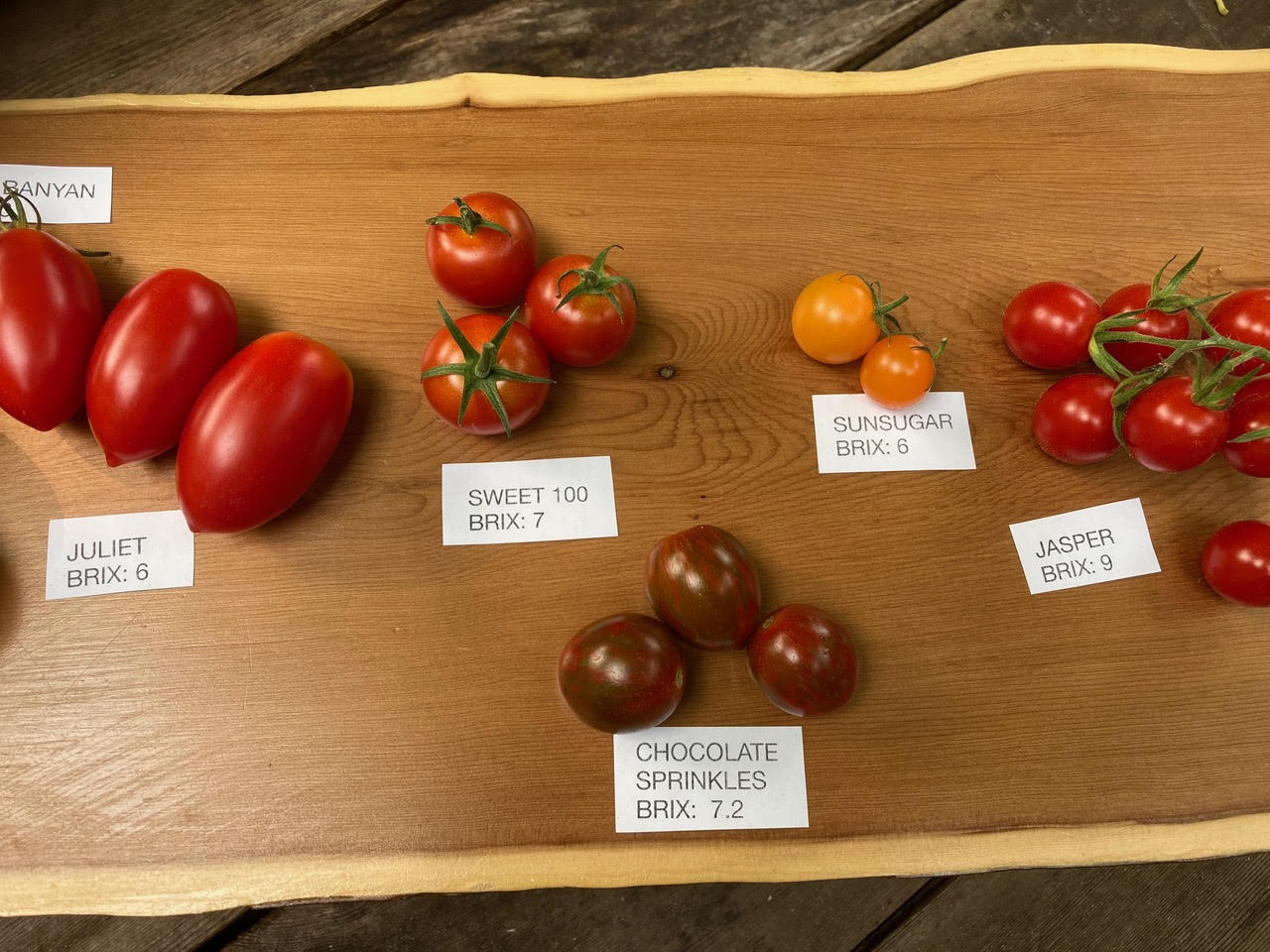
Different Varieties of Tomatoes

What Are the Tips to Soil Amendments & Nutrients in a Greenhouse Garden?

Quick Answer:

What Are the Best Tips for Soil Amendments & Nutrients in a Greenhouse Garden?
Optimizing greenhouse soil requires building “super soil” by blending quality soil-less mix with compost, biochar, and worm castings, plus adding essential nutrients like nitrogen, phosphorus, potassium, calcium, and micronutrients through amendments such as seed meals, lime, kelp, and gypsum. Recognizing nutrient deficiency signs—like purple leaves from low phosphorus or brown spots from potassium shortage—helps timely fertilization and soil management, ensuring healthy plant growth and improved crop flavor. Regular soil amendment and fertilization tailored to plant needs foster vibrant, productive greenhouse gardens year-round.


Importance of Soil Amendments & Nutrients in Greenhouse Gardening

A few years back my greenhouse tomato leaves were purple, yellow and spotted. Not all at once, but over time and on different leaves. It was the second year I was growing in my greenhouse and the commercial potting soil I bought was low on phosphorus, nitrogen and potassium. The leaves on the plants were telling me what was going on. And it didn’t look good.

Greenhouse that was recently rebuilt

Can You Move a Greenhouse? Moving a Greenhouse Five Times: A Customer's Story & Testimonial

Quick Answer:

Can You Move a Greenhouse Multiple Times?
Yes, a well-designed greenhouse can be disassembled and relocated multiple times without compromising its durability or plant environment. Charles Russ, a loyal B.C. Greenhouses customer, successfully moved his greenhouse five times over 30 years, praising its sturdy construction, adaptable features, and exceptional customer support. This demonstrates that investing in quality greenhouses ensures long-term flexibility and lasting value for gardeners on the move.


Read our customer's story about moving his beloved greenhouse five times

Thank you once again, Kyle, for taking the time to look after me yesterday. I did, again, appreciate so much your thoughtfulness in assisting me with my own reconstruction dilemma of a few weeks ago. As with everyone there, you showed such warmth and kindness, and as always, I am away with such a good feeling of support and confidence about my maintenance of my beloved little greenhouse.

How to Grow Arugula in My Greenhouse? From Seed to Salad

Quick Answer:

How Do I Grow Arugula in My Greenhouse From Seed to Salad?
Arugula is an easy, hardy winter green that thrives in cool greenhouse conditions, reseeds itself naturally, and requires minimal pest control with simple mesh covers in spring. Growing your own arugula lets you enjoy fresh, flavorful leaves and edible flowers all winter long, perfect for salads or toppings. Understanding its growth cycle helps you maximize harvests and incorporate this nutritious green into your seasonal meals confidently.


My go-to recipe

My potluck arugula salad is sprinkled with jewel-toned tropical pomegranate seeds. My neighbour Barbara is excited and quickly tells me how much she loves the bitter taste of arugula. So I tell her I grow arugula as a winter crop and now she is all ears.

What's the Best Soil for Greenhouse Gardening? A Comprehensive Guide

What is the Best Soil for Greenhouse Growing?

Quick Answer:

What is the best soil for greenhouse gardening? The ideal soil for greenhouse growing balances drainage, nutrient retention, and microbial activity—making custom blends like loam, triple mix, or super soil more effective than natural or bagged top soils. Should you use bagged soil or soil-less mixes in a greenhouse? While convenient, most bagged top soils and soil-less mixes lack essential nutrients and structure for long-term crops, so combining them with compost or organic amendments is key. How can you create high-performance soil for greenhouse plants? Blending your own triple mix (one-third soil, compost, and peat) or upgrading to a nutrient-rich super soil with worm castings, biochar, and trace minerals provides a strong foundation for healthier plants, richer flavors, and vibrant blooms.


If you are new to gardening and think growing is just a matter of adding water, you're in for a surprise. With terms like super soil, triple mix, natural soil, and even soil with no soil—it's no wonder new gardeners feel overwhelemed. So how do you choose the right soil for strong, healthy growth? And how do you get the most flavorful food and the brightest blooms?

What Are the 5 Tips for Keeping My Greenhouse Toasty this Winter?

Quick Answer:

What Are the 5 Tips for Keeping My Greenhouse Toasty This Winter?
To keep your greenhouse warm and your plants thriving in winter, start by growing cold-tolerant crops and installing an electric plug with a thermostat to control supplemental heat from soil cables or space heaters. Add frost protection by layering Agribon fabric, build mini-insulated zones for tender plants, and use old-school lights or warming tools for targeted heat. Finally, keep air circulating year-round with fans to prevent cold pockets and strengthen plant growth.


Keeping Your Plants Cozy This Holiday Season

Imagine my surprise when a small hole we drilled through our greenhouse foundation became a runway for mice. We pulled an extension cord into my greenhouse through that hole and the tiny gap became a neon sign for rodents.

The inside of Donna's Greenhouse

What Are the 6 Tips for Cleaning a Greenhouse Before Winter Sets In?

Quick Answer:

What are the 6 essential tips for cleaning a greenhouse before winter sets in? The best time to clean your greenhouse is in late fall when plant growth slows, focusing on removing dead plants, reducing watering, clearing cobwebs, washing overwintering plants, and cleaning row covers to prevent pests and diseases. A thorough fall cleaning deters common greenhouse problems like mold, fungus gnats, and spider mites, ensuring a healthier growing environment for the upcoming season. Starting early and cleaning on a sunny day optimizes results and prepares your greenhouse for a productive spring restart.


Its never too early to get a head start

My husband and I planned a mid-week ski trip but on departure day I was still in my off finishing a time-sensitive project. We were staying overnight at the hill, it was still a workday, and the car was loaded up. There was no rush to get moving.

How does a Greenhouse Save Your Garden from Climate Challenges?

Quick Answer: 

How Does a Greenhouse Save Your Garden from Climate Challenges?
A greenhouse protects your garden from unpredictable weather, extends the growing season by one to two months, and shields crops from pests like slugs and marmots through controlled heat, water, and shelter. Unlike outdoor gardens affected by heavy rains, cold snaps, or short seasons, a greenhouse offers consistent conditions that support reliable growth and higher yields. Whether you're overwintering perennials, growing year-round vegetables, or simply avoiding climate chaos, a greenhouse provides a practical, long-term solution.


In late September, I asked Facebook followers to share their biggest gardening challenges this summer.

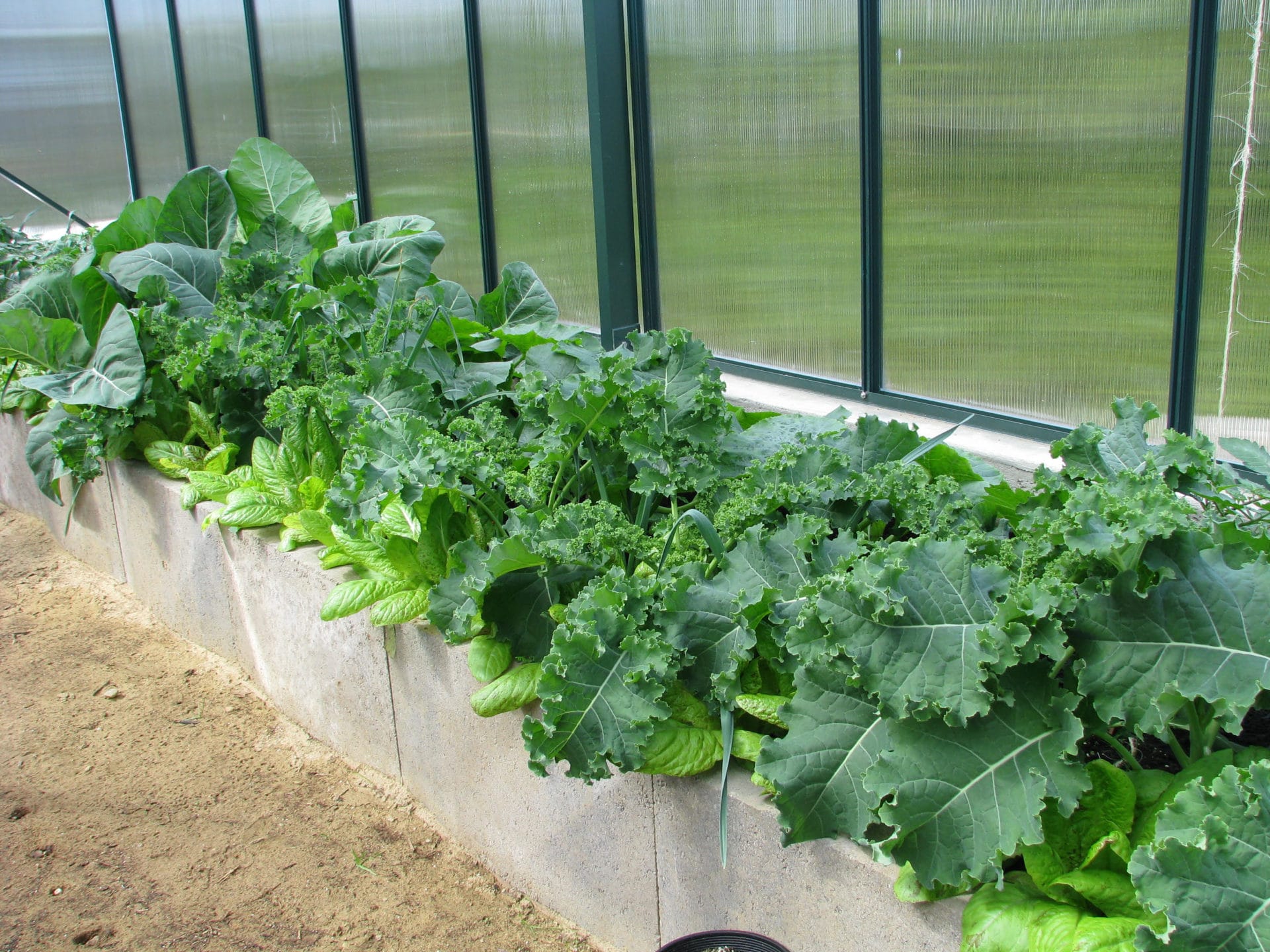
Winter vegetables growing

What Are the Tips for Managing & Double Cropping? Summer Prep for Winter Greenhouse

Quick Answer:

What are the tips for managing and double cropping in a greenhouse to prepare for winter? Effective greenhouse management in summer involves double cropping fast-growing plants like radishes between slower growers such as peppers, using trap crops like beans to monitor pests, and starting winter-hardy crops early to maximize space and season length. Planning ahead by maintaining seedlings in flats and supplementing nutrients ensures continuous, healthy growth, allowing gardeners to transition smoothly from summer to fall and winter crops. This strategic approach optimizes greenhouse productivity year-round and helps prevent common pest issues.


Surprisingly, Summer is the perfect time to prep for winterization

Managing your winter greenhouse with crops coming and going is a bit of an art form, so please bear with me. It involves starting seeds directly in greenhouse soil and also starting seeds in flats on shelves or potting benches.