What Are the Tips for Fall Greenhouse Preparation?
- Place portable heaters near the floor closer to the entry of your Greenhouse Garden so that they will replace lost heat quickly.
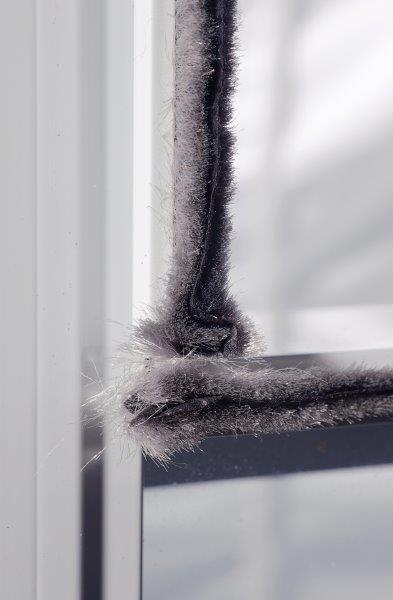
- Line the inside of your greenhouse with...
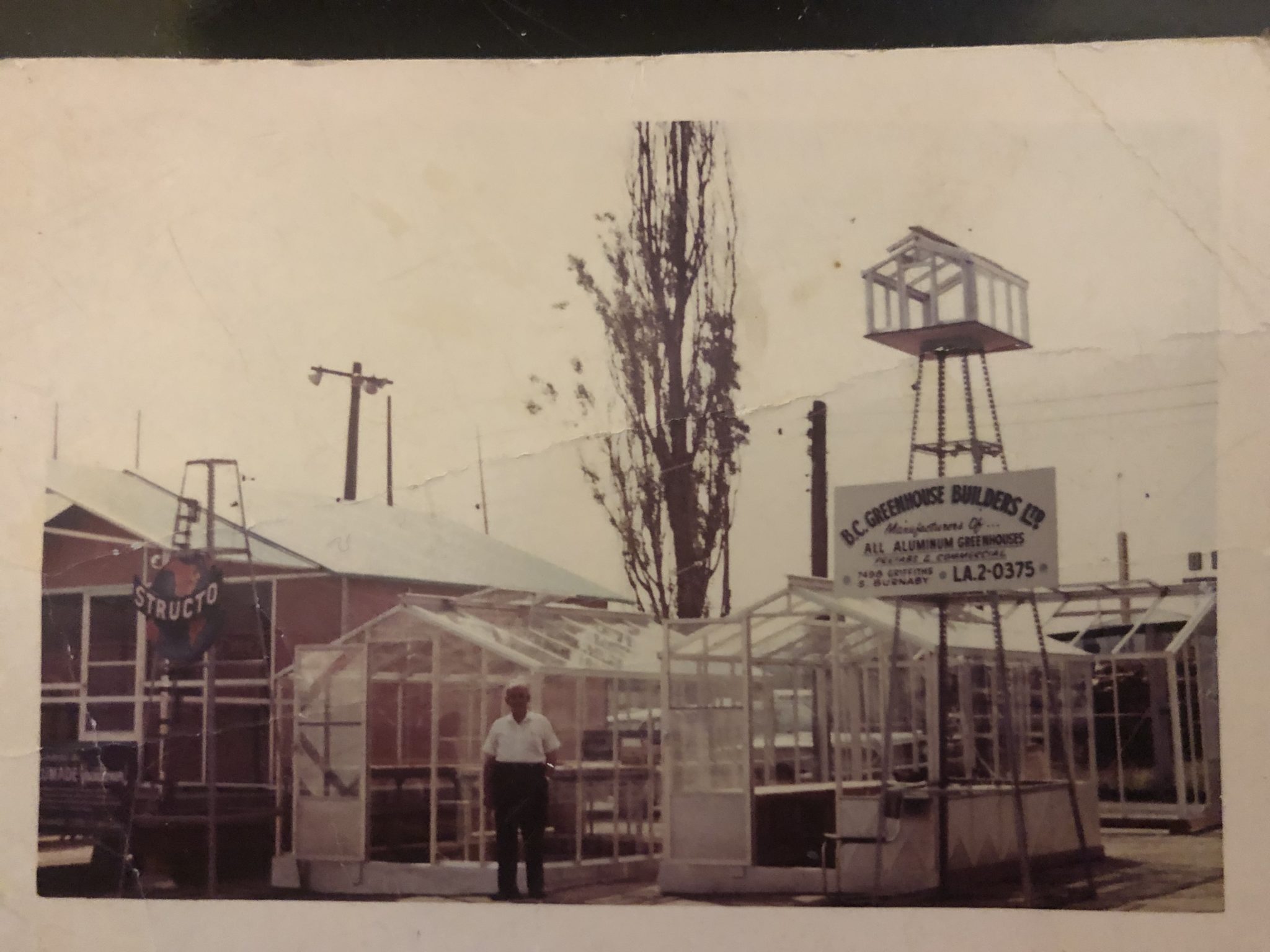
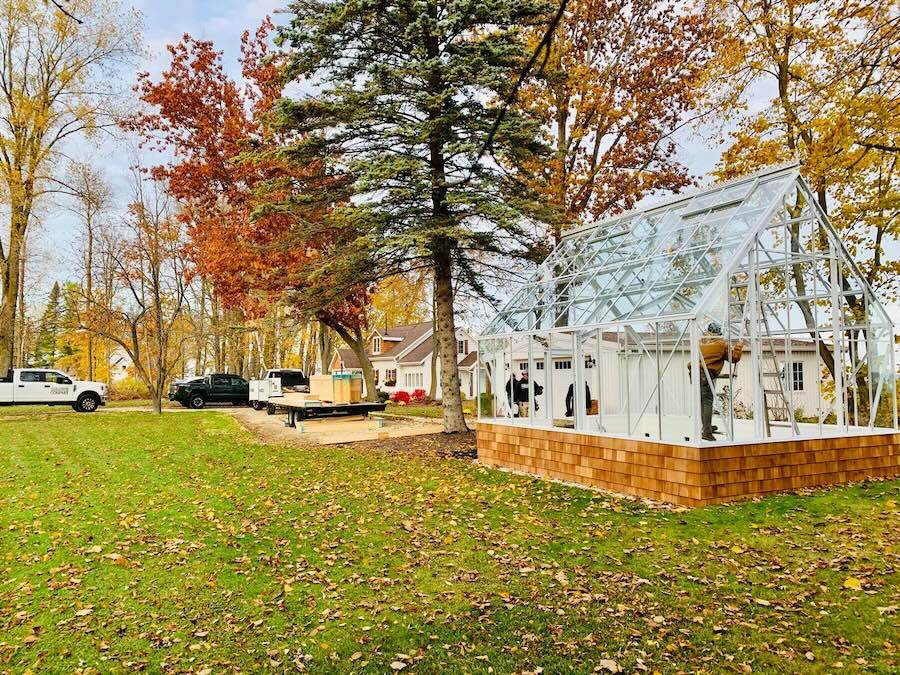
We were so excited to receive the photos of this greenhouse from the early 1970s after it was cleaned up and reinstalled at its new location. There is great value in buying a quality product that stands the test of time.
How Do You Keep Your Greenhouse Healthy and Pest-Free Year-Round?
A thorough fall cleanup—including disinfecting surfaces, protecting polycarbonate panels, and cleaning benches and pots—is essential to maintain a healthy greenhouse. Maintaining appropriate night temperatures based on plant needs and controlling pests with soapy water, sterilized soil, insecticidal soaps, and yellow sticky traps prevents diseases and infestations. These best practices ensure a productive, disease-free greenhouse environment ready for every growing season.
There are many plant varieties and they all require different night temperatures to sustain their growth.
Maintaining ideal fall greenhouse temperatures involves using heaters with accurate thermostats and maximum-minimum thermometers, ensuring proper air circulation with circulating fans to prevent disease, and utilizing automatic vents to manage temperature fluctuations while supplementing light for healthy plant growth.
You can feel the cool and crisp air in the morning as soon as the calendar says October. Night temperatures are dropping not only outside but also in the greenhouse. Now is the time for planning and preparedness.
BC Greenhouse Builders offers wind-resistant upgrades that reinforce greenhouse structures with enhanced bracing, larger roof purlins, and wind-resistant vents, engineered to meet local building codes for wind speeds up to 140 mph (225 KPH), ensuring durability and safety in extreme weather conditions.
BC Greenhouse Builders is leading the pack on was to build and maintaining a greenhouse in almost any climate.
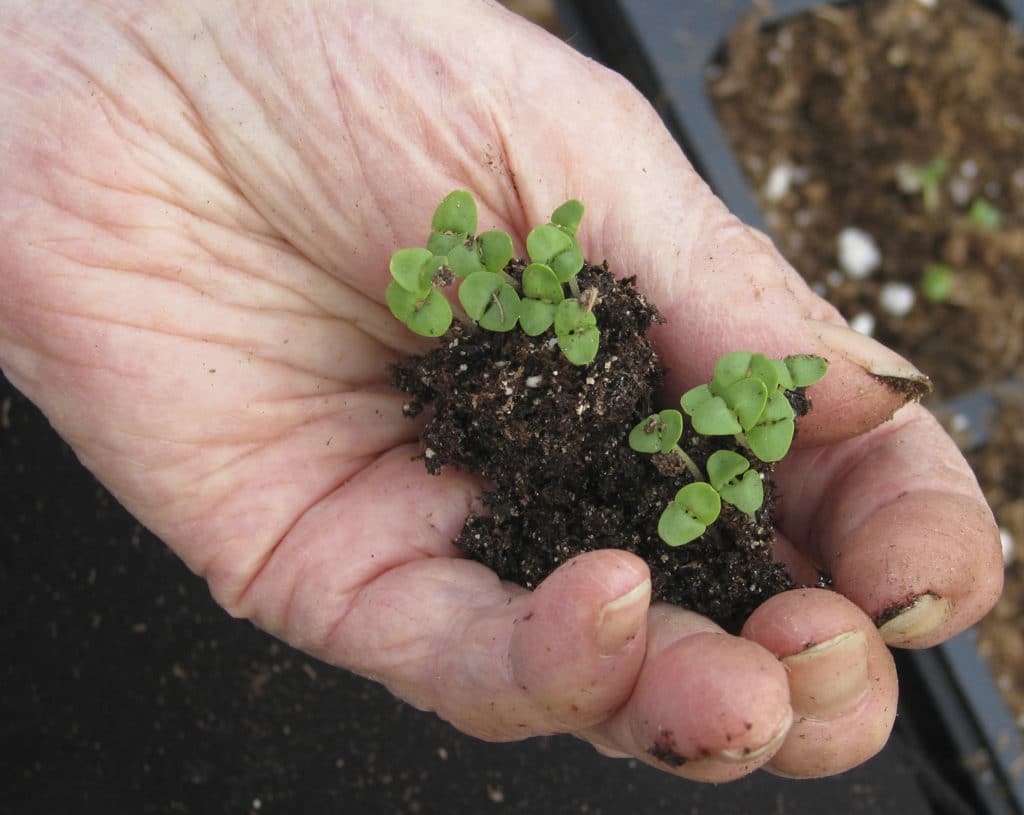
Sterilizing your soil, pots, and trays is essential when starting seeds in a greenhouse to prevent disease, improve seedling survival, and create optimal growing conditions—use commercial seed starter mixes, sterilize reused containers with bleach, and consider homemade sterile blends or soil baking for best results.
Sterility in the greenhouse sounds somber but in a few instances, it truly matters and saves gardeners from hassle and disappointment. Here is where I heed caution.
Elevate the beauty and biodiversity of your vegetable garden by planting fragrant Sweet Pea ‘Matucana’, vibrant Clary Sage, and long-blooming Hummingbird Mint—three easy-to-grow annuals that attract pollinators, complement edibles, and flower from summer through fall.
Last Summer I realized My little food garden was looking dull- prolific - but dull. To remedy the tedious rows, I decided to try three uncommon annuals to improve the appearance. To my surprise, they all flowered for five months. These plentiful flowers did so much to spiff up the vegetable Greenhouse Garden that this summer, they've made their debut in the flowerbed.
We really do build greenhouses in any custom color! This periwinkle greenhouse was shipped to Oregon and the picture are from during that installation process. Would you pick a color as wild as this one? Or something more classic?
For the friends with the winter blues, or being impressive on Valentine's Day, consider forcing bulbs. "Forcing" sounds ruthless, but it's the process of condensing the bulb's winter and spring, so the flowers bloom in early winter instead of mid-Spring. A greenhouse makes this easy, and foolproof.