
What Are the 5 Strategies for Reducing Mold and Fungus Problems in Greenhouses?
Quick Answer:
Posts about:
Quick Answer:
Quick Answer:
Quick Answer:
Quick Answer:
Quick Answer:
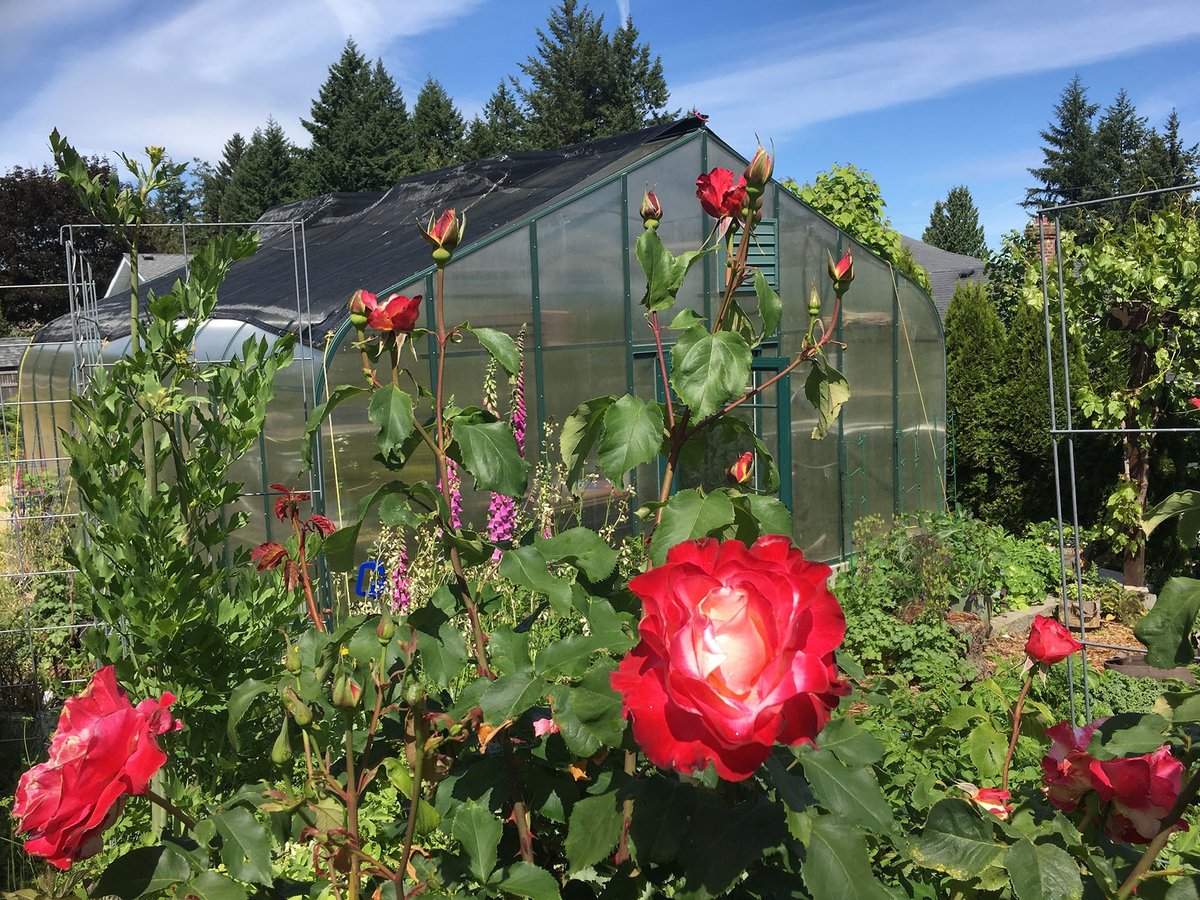
BC Greenhouse Builders recommends installing a UV-stabilized shade cloth over your greenhouse in late spring to manage summer heat:
Quick Answer:
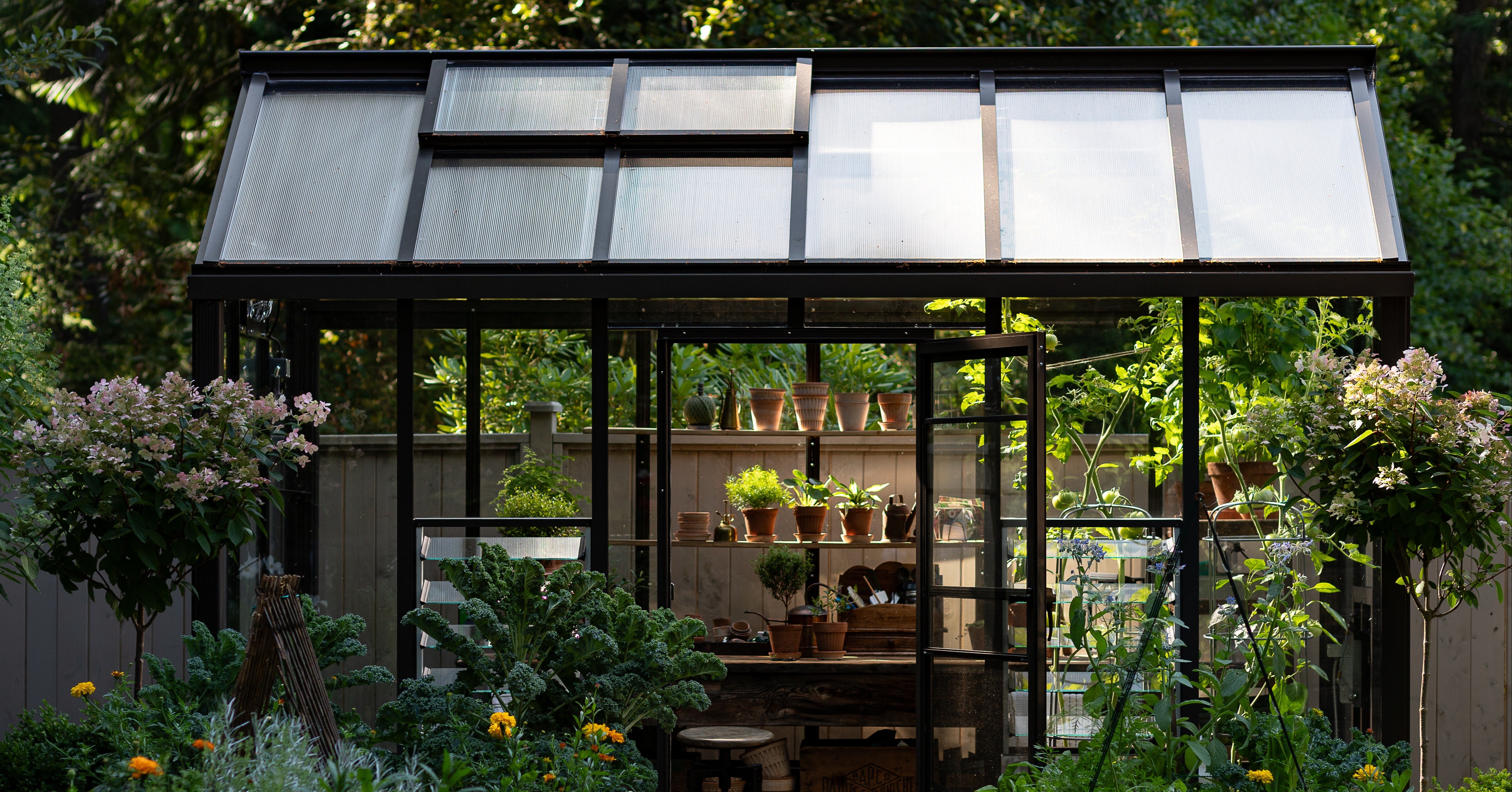
BC Greenhouse Builders' Greenhouse Gardening School is an exclusive resource for BC Greenhouse customers, designed to help you get more from your greenhouse from day one. Hosted by Jordan Mara of Mind & Soil and horticulturalist Donna Balzer, the school covers everything from layout and design to soil, propagation, and plant care, with real customer gardens featured along the way.
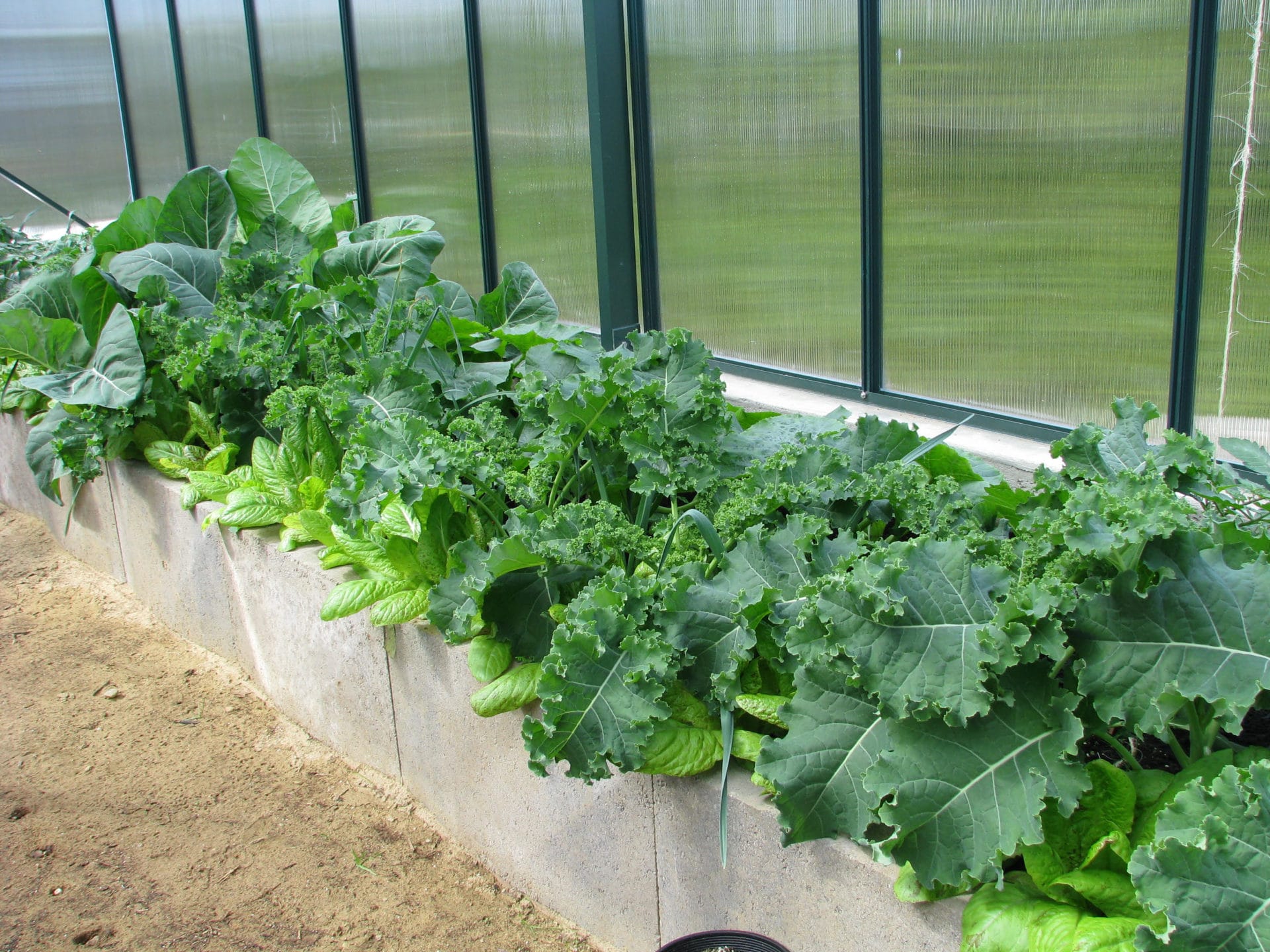
Jordan Mara, Canadian gardener, mental health advocate, and founder of Mind & Soil, has spent five years building one of Canada's most trusted gardening channels. This season, a lifelong dream came true: his very own BC Greenhouse is installed and growing. He's documented every honest moment across three YouTube episodes, from a snowy install day to the first tomatoes in the ground in March.
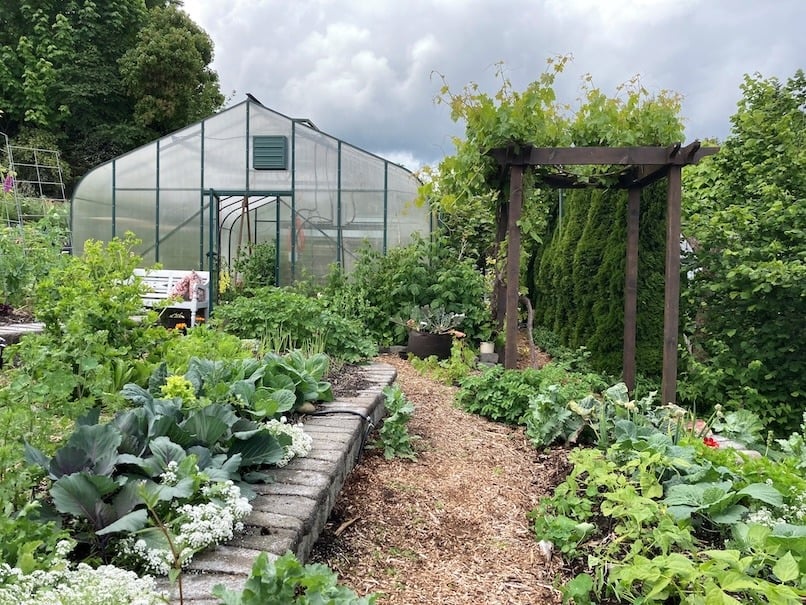
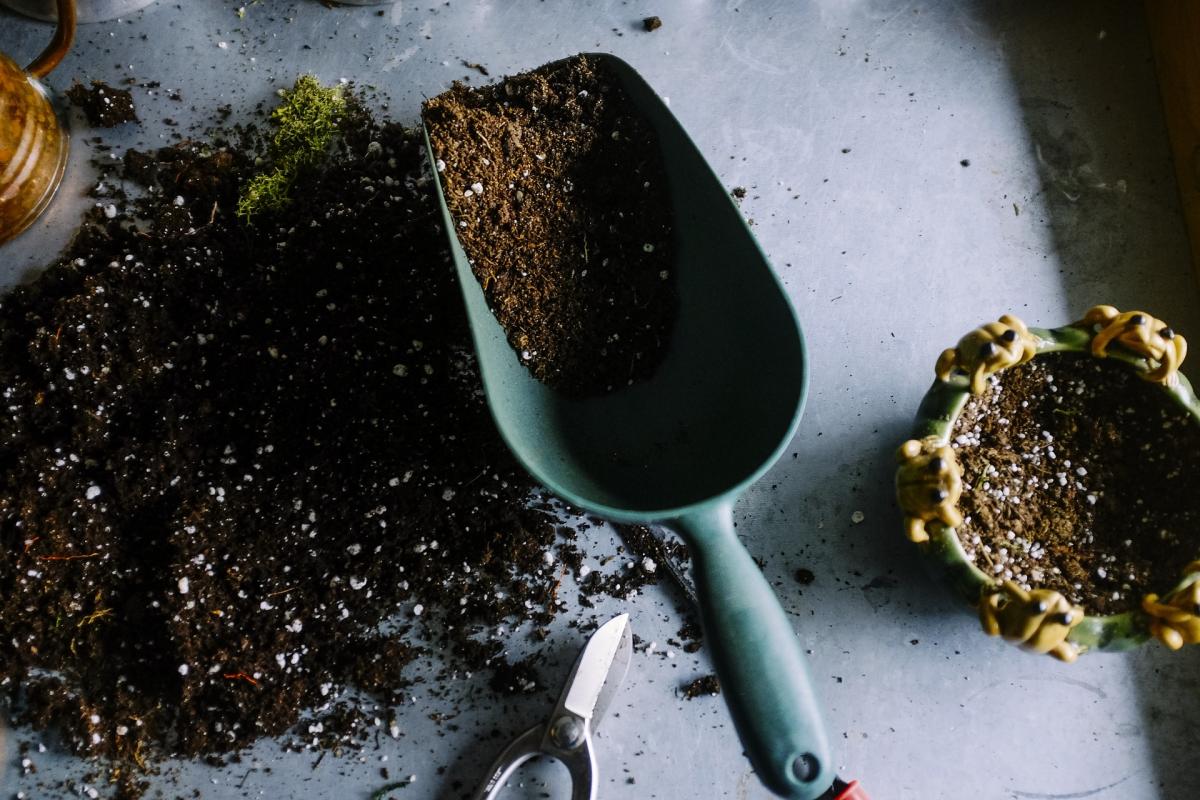
When I moved homes and built a new greenhouse, I was in for quite a surprise. The natural soil on my new lot is sand. Pure, yellow sand. This means it drains really well. It also means it does not hold nutrients to feed my plants.
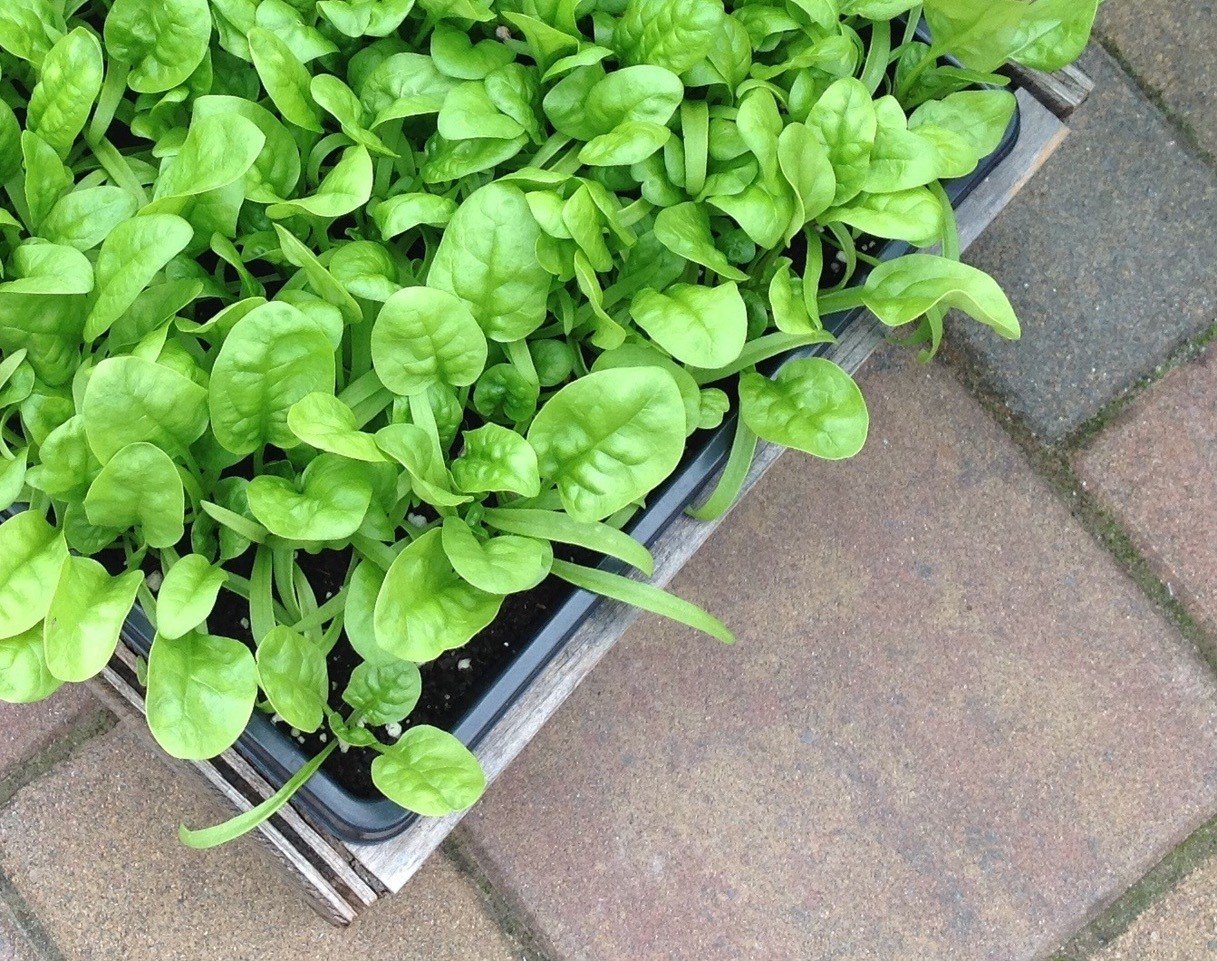
Want to kickstart your greenhouse garden this season? The best time to begin is now. Cool-weather crops like arugula, bok choi, spinach, and radishes thrive in early spring greenhouse conditions—even in unheated spaces. Warm the soil with heating cables or IRT mulch to speed up germination and enjoy a head start on the growing season. Greenhouse gardening in late winter or early spring also means fewer pests, like flea beetles. While heat-loving plants like peppers need more warmth to sprout, starting them indoors on a damp paper towel can ensure strong, healthy transplants later. With the right timing and a simple crop schedule, your greenhouse can produce fresh greens and veggies year-round.
Showing off my arugula (also known as rocket) on Instagram leads to a lot of questions about my greenhouse and what I currently have growing.