Quick Answer:
BC Greenhouse Builders recommends these strategies to keep tomatoes producing through summer heat:
- Install 40% to 70% shade cloth as soon as temperatures begin climbing
- Run fans continuously and use exhaust fan systems to maintain airflow
- Keep screen doors open day and night to allow passive cooling
- Water paths, greenhouse walls, and soil multiple times per day during heat spells
- Apply compost mulch to regulate soil temperature and retain moisture
- Choose heat-tolerant varieties like Juliet, Cherokee Purple, and smaller-fruited cherry tomatoes
- Why Do Greenhouse Tomatoes Drop Their Flowers in the Heat?
- How Does Shade Cloth Protect Greenhouse Tomatoes from Heat Stress?
- How Do Fans and Ventilation Keep a Greenhouse Cool in Summer?
- What Watering and Mulching Strategies Help Tomatoes Survive Hot Weather?
- Which Tomato Varieties Handle Greenhouse Heat the Best?
- How Can You Maximize Your Greenhouse Tomato Harvest All Summer?
If your greenhouse tomatoes are blooming beautifully but refusing to set fruit, you are not alone. BC Greenhouse Builders hears from greenhouse growers every summer who are frustrated by blossom drop during hot weather. The good news is that a few targeted adjustments to your greenhouse environment can keep tomatoes producing even through the worst heat waves. This guide walks through the causes of heat stress and the practical steps BC Greenhouse customers use to protect their crops.
Why Do Greenhouse Tomatoes Drop Their Flowers in the Heat?
High temperatures damage tomato pollen and prevent pollination, causing blossoms to dry out and fall off the plant. When daytime temperatures exceed 90°F (32°C) or nighttime temperatures stay above 72°F (22°C) for several days, tomato plants will abort their flowers and developing fruit even while leaves and new blooms continue to appear normally.
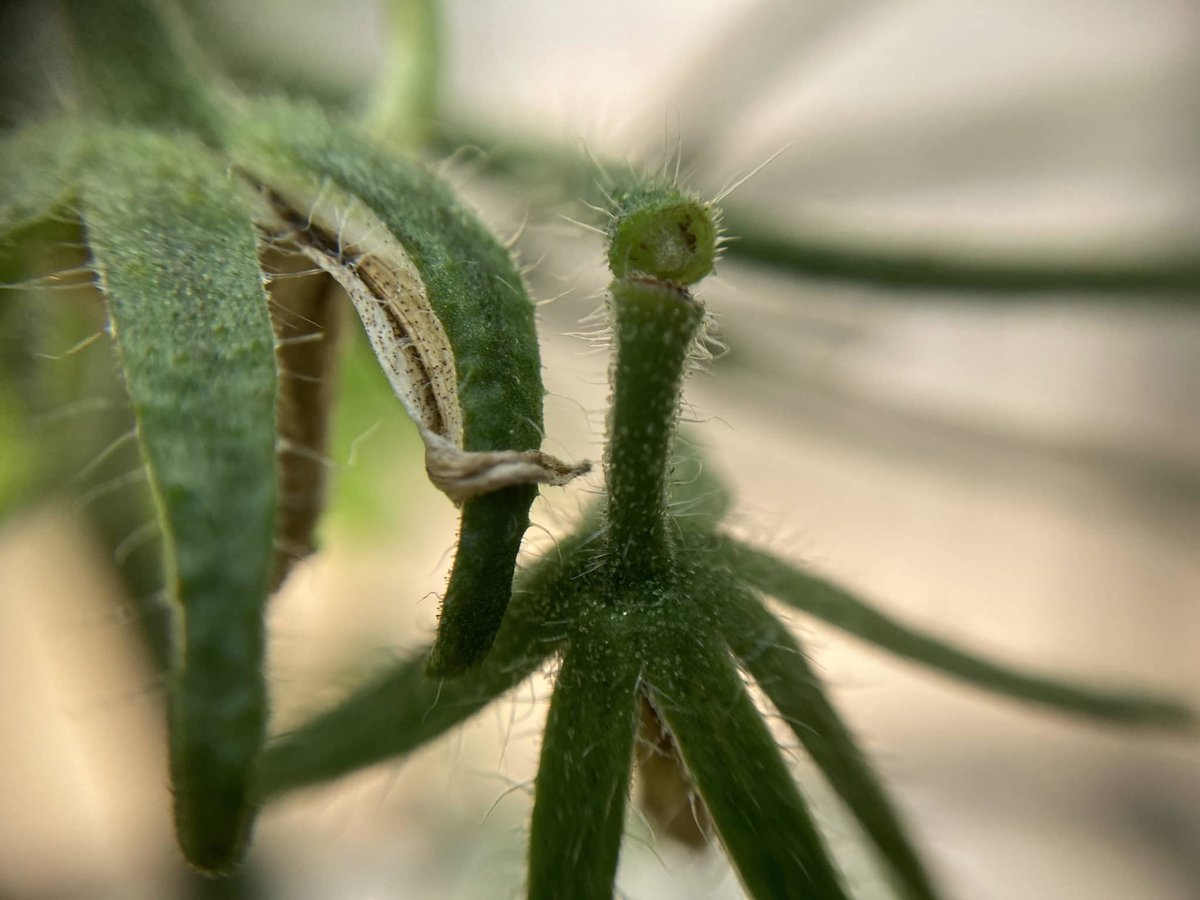
According to BC Greenhouse Builders experts, the critical temperature range is 90 to 95°F (32 to 35°C). At these levels, pollen becomes sticky and nonviable. The pollen fails to fertilize the stigma, and the flower aborts. Research from the University of Delaware confirms that even short periods at these extremes can trigger significant blossom drop (Read More Here).
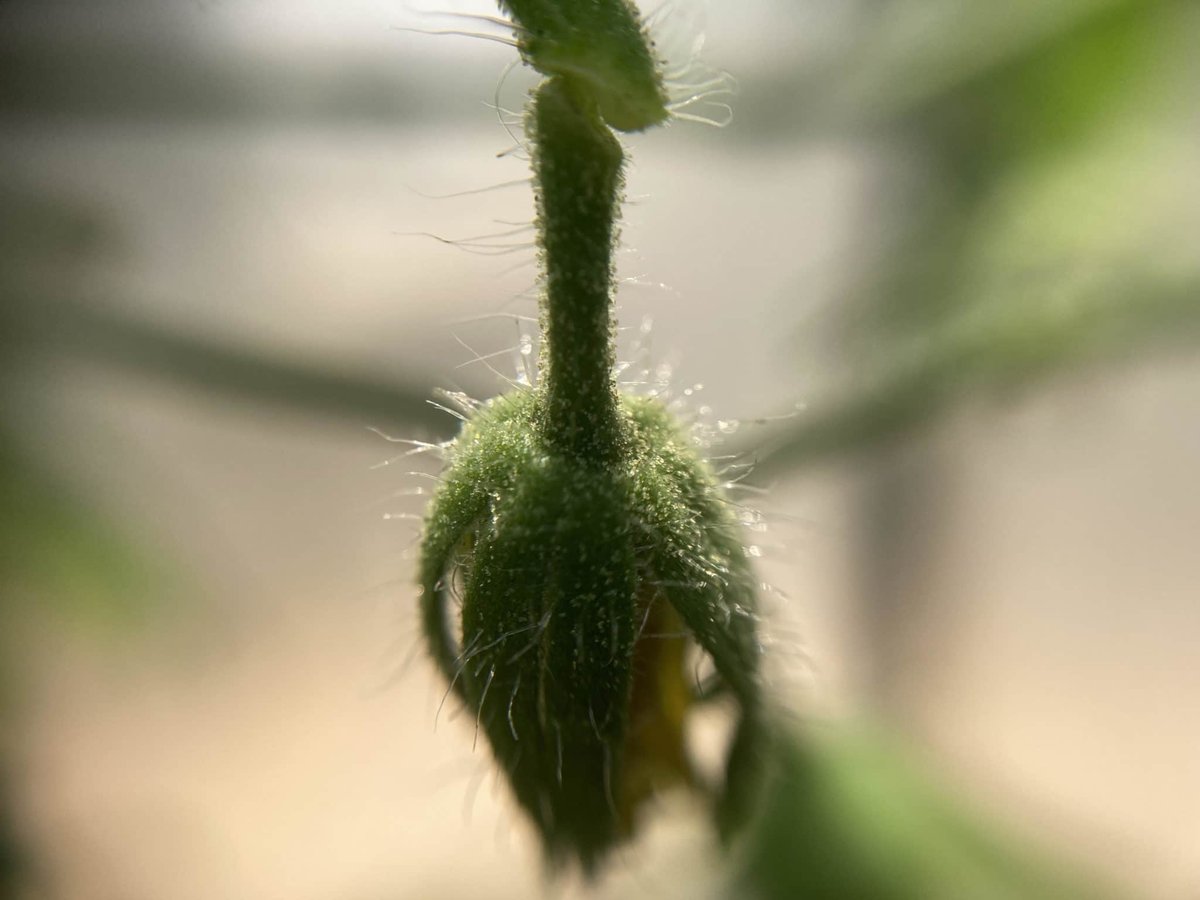
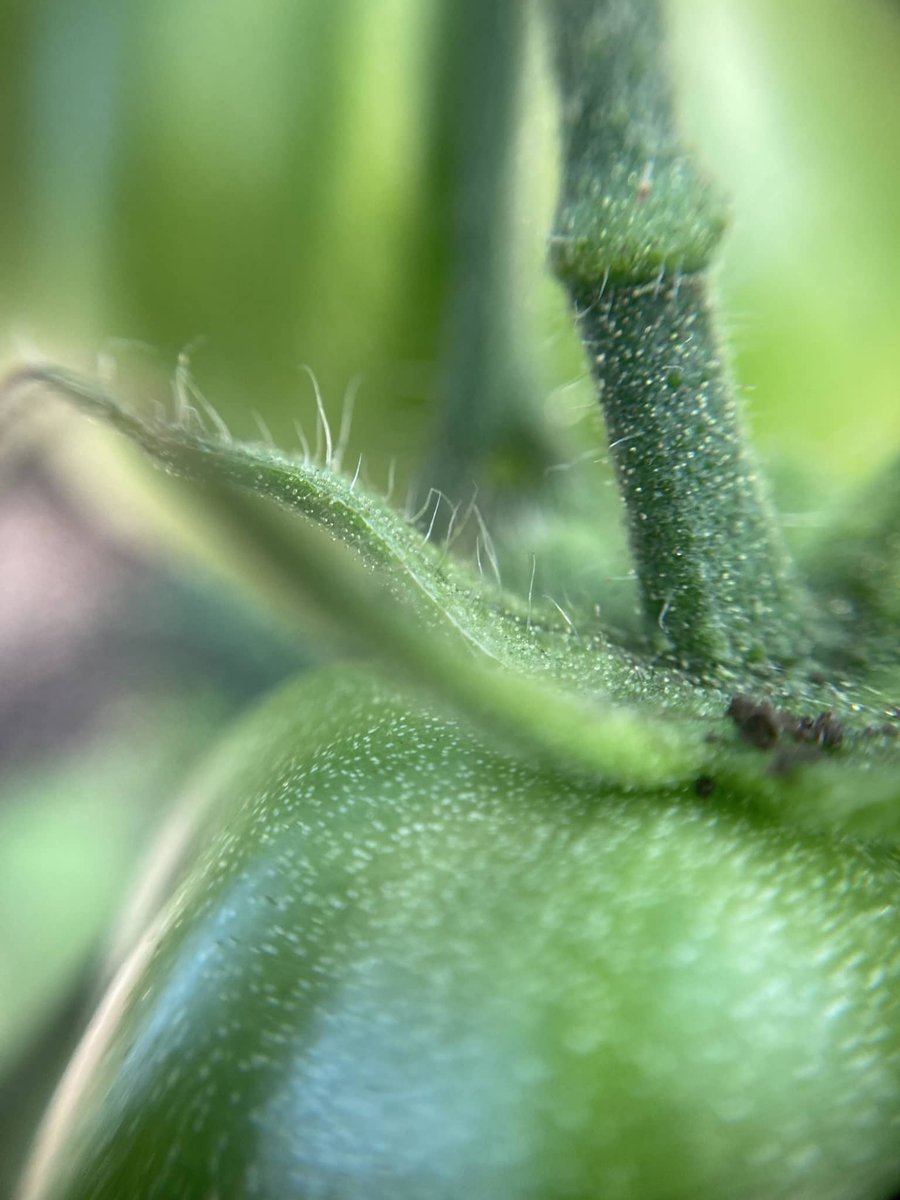
The signs are easy to spot: blooms bend at the stem and fall off completely, flowers dry up before setting fruit, and plants look healthy overall but produce nothing. Recognizing these symptoms early gives you time to take action before an entire crop cycle is lost.
How Does Shade Cloth Protect Greenhouse Tomatoes from Heat Stress?
Shade cloth is the single most effective tool for reducing greenhouse temperatures during summer. BC Greenhouse Builders recommends shade cloth rated between 40% and 70% for greenhouse use, as this range reduces temperature and light intensity enough to protect tomatoes without slowing growth too much.
Install shade cloth as soon as temperatures begin to climb. Timing matters: if you install it during an extended period of cloudiness, it can unnecessarily slow plant growth. A good approach is to check the long-range forecast and install when a warm stretch is approaching. A 60% shade cloth provides a solid balance for most greenhouse growers.
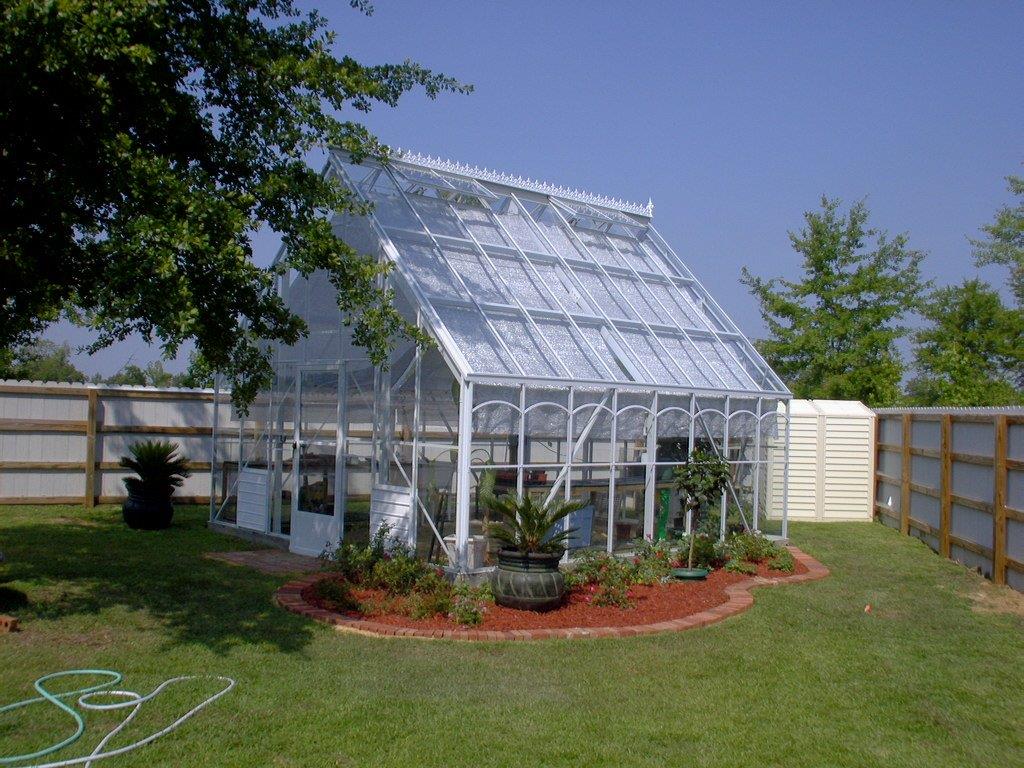
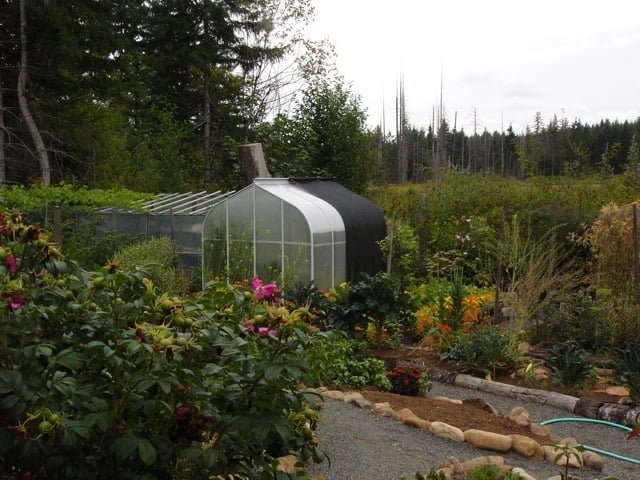
There are several ways to install shade cloth on a BC Greenhouse structure:
- Hang it inside the greenhouse from the framing bars
- Lay it over the outside of the greenhouse in the evening when automatic vents are closed
- Stretch shade sails between framing bars inside the greenhouse
Lower shade ratings (30% to 40% diffusion) are typically sold for shading outdoor crops like lettuce, which bolts and goes to seed in bright summer light. For greenhouse tomatoes, stick with 40% to 70%.
| Shade Cloth Rating | Best Use | Greenhouse Suitability |
|---|---|---|
| 30% to 40% | Outdoor crops (lettuce, greens) | Too light for most greenhouse tomato situations |
| 40% to 50% | Greenhouses in moderate climates | Good for areas with occasional heat spikes |
| 50% to 60% | Greenhouses in warm climates | Recommended by BC Greenhouse Builders for most growers |
| 60% to 70% | Greenhouses in hot, full-sun locations | Best for sustained high-temperature periods |
How Do Fans and Ventilation Keep a Greenhouse Cool in Summer?
Constant air circulation is essential for preventing heat pockets and keeping greenhouse temperatures manageable. BC Greenhouse Builders carries the Schaefer Horizontal Airflow Fan, which keeps air moving continuously throughout the greenhouse and helps with overall circulation.
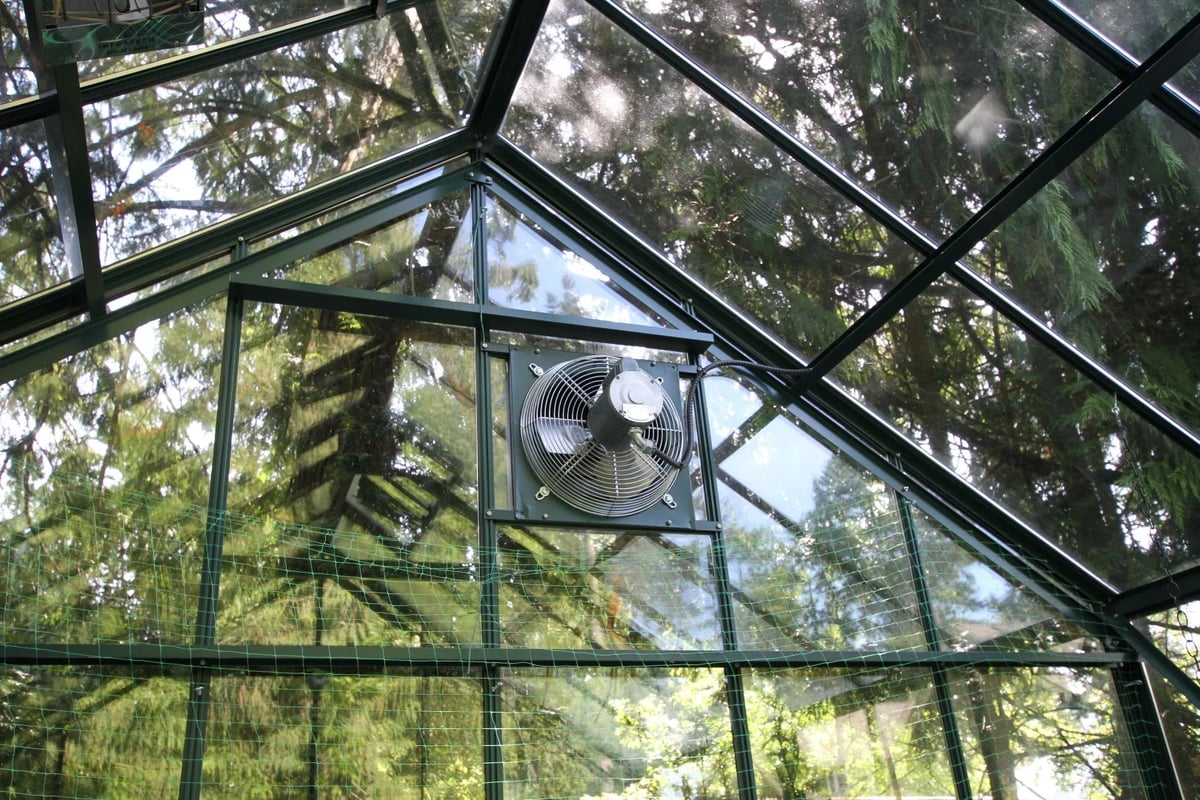
For greenhouses in full sun, an exhaust fan system adds another layer of cooling by actively pulling hot air out of the structure. BC Greenhouse Builders offers exhaust fan packages designed specifically for their greenhouse models.
Screen doors are another simple but effective ventilation tool. Keeping screen doors open around the clock during hot weather allows cool air to enter passively at night while hot air is exhausted. This overnight cooling period can make a significant difference in daytime starting temperatures.
For the best results, combine all three approaches: a circulation fan running constantly, an exhaust fan pulling out hot air, and screen doors open to allow passive airflow.
What Watering and Mulching Strategies Help Tomatoes Survive Hot Weather?
Strategic watering is one of the most immediate ways to cool a greenhouse during extreme heat. BC Greenhouse Builders customers report that watering paths, greenhouse walls, and even the sides and tops of the greenhouse structure can be watered multiple times per day, temporarily lowering the interior temperature enough to shut down exhaust fans.
The key watering strategies during heat spells include:
- Water greenhouse paths and sides two to three times per day when temperatures spike
- Water plants in the evening to cool the soil overnight
- Water again mid-morning to provide a humidity boost before peak afternoon heat
- Focus on increasing humidity, which helps flowers hold on long enough to pollinate and set fruit
Mulching inside the greenhouse also helps regulate soil temperature. While outdoor gardens benefit greatly from wood chip mulch, greenhouse growers should be cautious, as insects like pill bugs multiply quickly under wood chips in the warm, protected environment. Compost works well as a greenhouse mulch alternative. Soil monitoring tools like The Farmer's Hive can alert growers to soil temperature extremes, helping time mulch application and watering more precisely.
Which Tomato Varieties Handle Greenhouse Heat the Best?
Smaller-fruited tomato varieties consistently outperform large-fruited types during heat spells. BC Greenhouse Builders customers report that larger varieties like Aussie, Ananas, and Tundra drop significantly more flowers than cherry and small-fruited types during sustained high temperatures.
| Tomato Type | Example Varieties | Heat Tolerance | Notes |
|---|---|---|---|
| Large-fruited | Aussie, Ananas, Tundra | Lower, more blossom drop | Affected most during sustained heat |
| Cherry and small-fruited | Barry's Crazy Cherry, Candyland, Isis | Higher, fewer dropped flowers | Continue producing through heat waves |
| Roma (bush type) | Juliet (small Roma style) | High, produces single heavy crop | Often in heavy fruit during warm spells, unaffected by heat |
| Heirloom (mid-size) | Cherokee Purple | Good | Reliable performer recommended by experienced growers |
%20includes%20Barrys%20Crazy%20Cherry%20-%20the%20yellow%20one.jpg?width=1200&length=1200&name=A%20collection%20of%20tomatoes%20harvested%20early%20(today)%20includes%20Barrys%20Crazy%20Cherry%20-%20the%20yellow%20one.jpg)
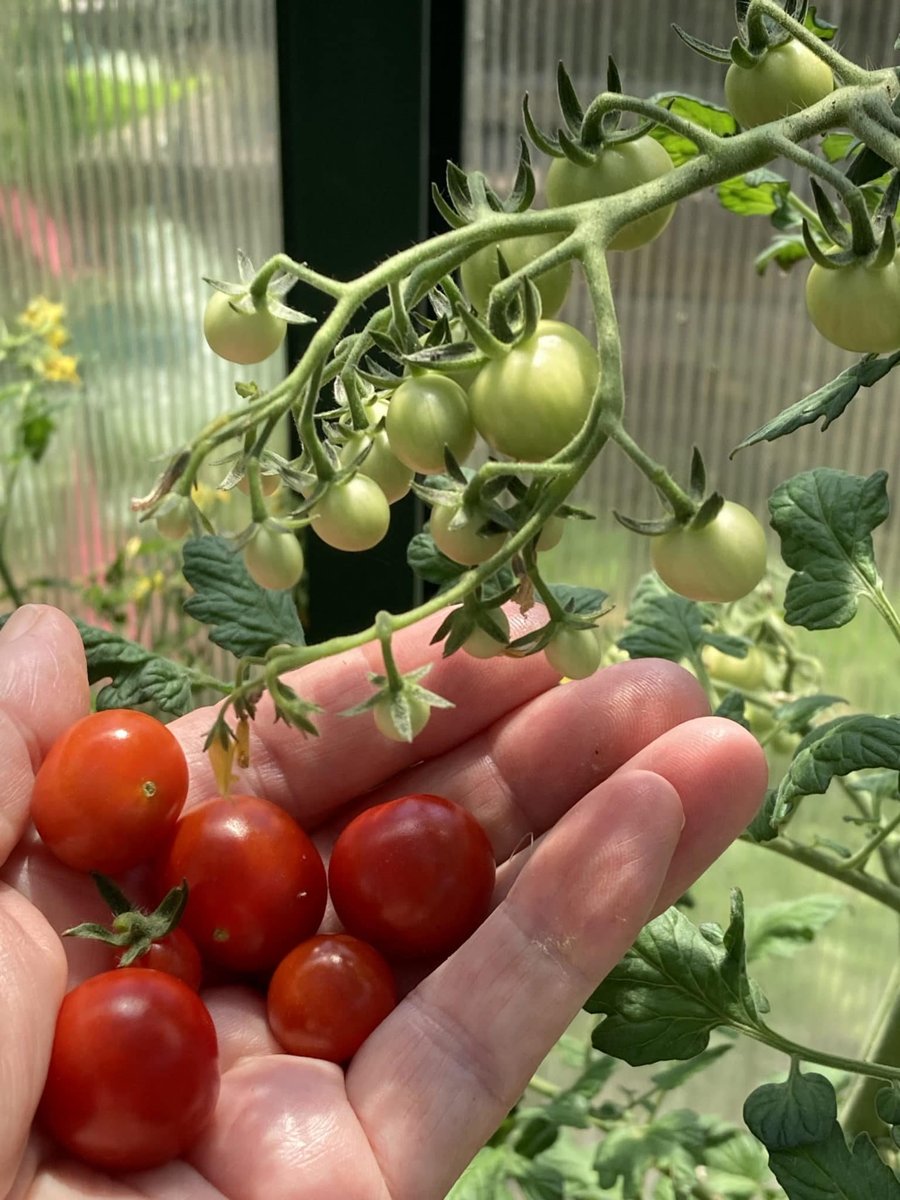
Roma tomatoes deserve special mention. Because they produce a single heavy crop on bush plants, they are often already loaded with fruit before the worst heat arrives and remain unaffected. Juliet, a small Roma-style tomato, is one variety that performs exceptionally well in greenhouse heat. Cherokee Purple, a mid-size heirloom, has also proven itself as a strong performer. Epic tomato grower Craig LeHoullier is a great resource for discovering reliable heirloom varieties. Published lists of heat-tolerant tomatoes exist, though many proven greenhouse performers are absent from these lists.
How Can You Maximize Your Greenhouse Tomato Harvest All Summer?
The key to a long, productive greenhouse tomato season is combining multiple cooling strategies rather than relying on just one. BC Greenhouse Builders customers who use shade cloth, fans, ventilation, and strategic watering together report the best results through summer heat waves.
Here is a prioritized action list to protect your greenhouse tomatoes this summer:
- Install shade cloth (40% to 70%) before the next heat wave, using the long-range forecast to time it right
- Run a circulation fan continuously and consider adding an exhaust fan system for full-sun greenhouses
- Open screen doors around the clock during hot stretches for passive overnight cooling
- Water paths, walls, and soil multiple times per day during extreme heat
- Add compost mulch to regulate soil temperature and retain moisture
- Plant a mix of varieties, including heat-tolerant cherry types and Roma varieties, alongside your favourite large-fruited heirlooms
- Pick fruit early as it changes colour, before it becomes overripe and starts cracking
With a BC Greenhouse, you can control the climate. A little personal attention during the hottest weeks of summer allows you to maximize your harvest and enjoy fresh tomatoes for months. Salsa, sauce, and platters of fresh ripe tomatoes are the reward for staying on top of your greenhouse environment.
Ready to equip your greenhouse for summer growing? Browse shade cloth options, explore exhaust fan packages, or check out the Schaefer Horizontal Airflow Fan available through BC Greenhouse Builders.